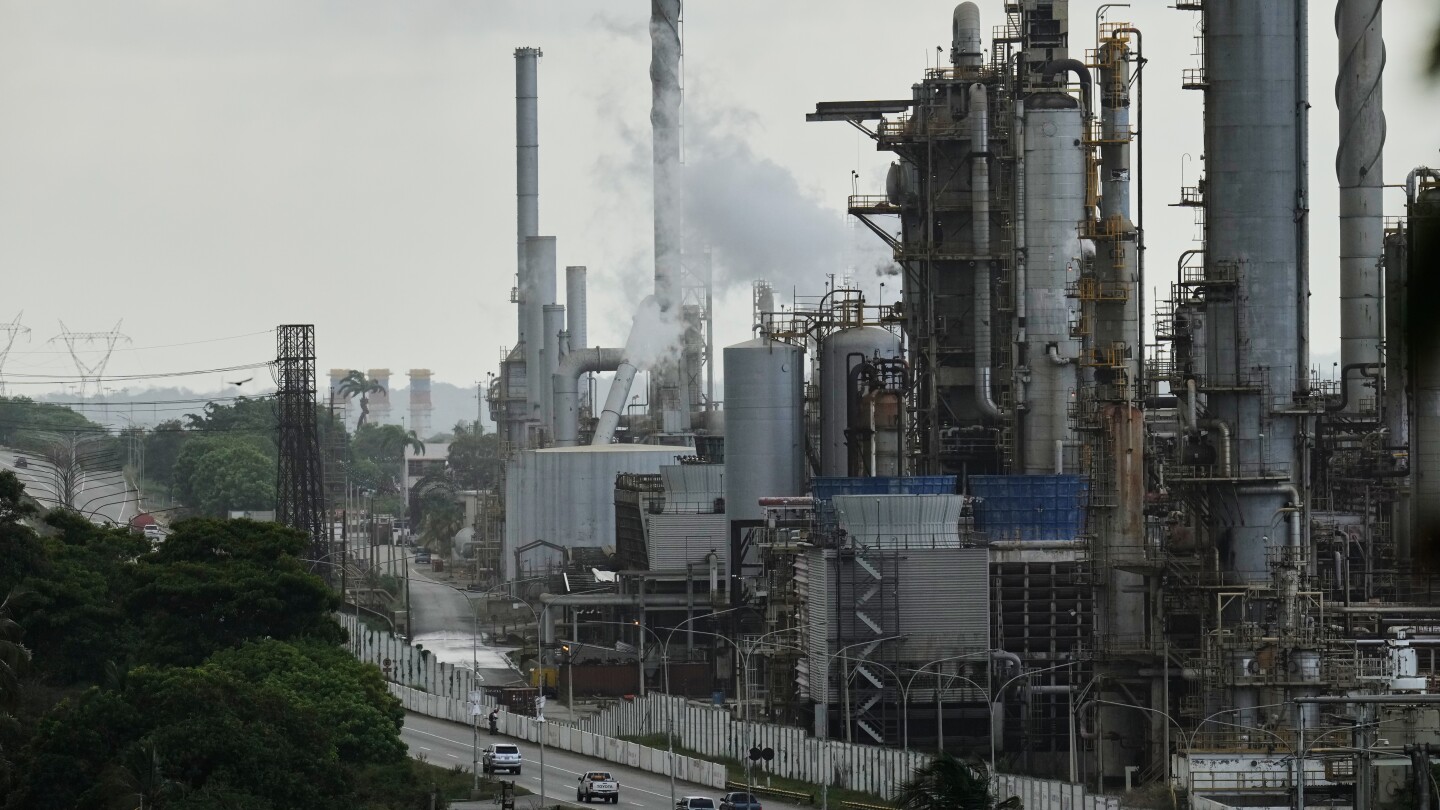
Environmental experts are raising alarms about potential ecological consequences as the United States moves to revitalize Venezuela’s extensive petroleum reserves. This development follows heightened political tensions after the capture of former President Nicolás Maduro, prompting Washington to intensify control over Venezuela’s primary revenue source—oil exports.
The Trump administration’s strategy involves selling 30-50 million barrels of Venezuelan crude globally under US supervision, with proceeds maintained in American-controlled accounts. However, industry analysts question the feasibility of rapid production increases, noting that Venezuela’s energy infrastructure requires massive investment—potentially tens of billions of dollars—after years of deterioration.
Venezuela possesses the world’s largest oil reserves, estimated at 300 billion barrels, but produces heavy crude with exceptionally high pollution characteristics. Extraction and refining processes demand significantly more energy than conventional oil, resulting in substantially greater greenhouse gas emissions. According to International Energy Agency data, Venezuela’s methane emissions intensity exceeds global averages by approximately six times, while flaring intensity reaches ten times typical worldwide levels.
The country already faces severe environmental challenges, including nearly 200 documented oil spills between 2016-2021 and the loss of 2.6 million hectares of forest cover over two decades. Experts warn that renewed oil activity could exacerbate damage in ecosystems already compromised by decades of pollution, particularly in sensitive regions like Lake Maracaibo—one of the world’s most oil-contaminated aquatic environments.
While US officials claim American companies will implement high environmental standards, critics argue that rapid production expansion will likely prioritize output over ecological protections. The complex geography of Venezuela’s oil-producing regions, characterized by fragile plains and slow-moving rivers, creates conditions where contamination can persist for extended periods with devastating consequences for biodiversity and local communities.