Military analysts and regional experts are issuing stark warnings about the profound complexities and potential catastrophic consequences of any U.S. military action against Iran, drawing sharp contrasts with the recent operation in Venezuela. Unlike the swift capture of President Nicolás Maduro in Caracas, which concluded within hours, confronting Iran would engage a nation with extensive military capabilities and a sophisticated network of regional proxy forces capable of sustaining prolonged resistance.
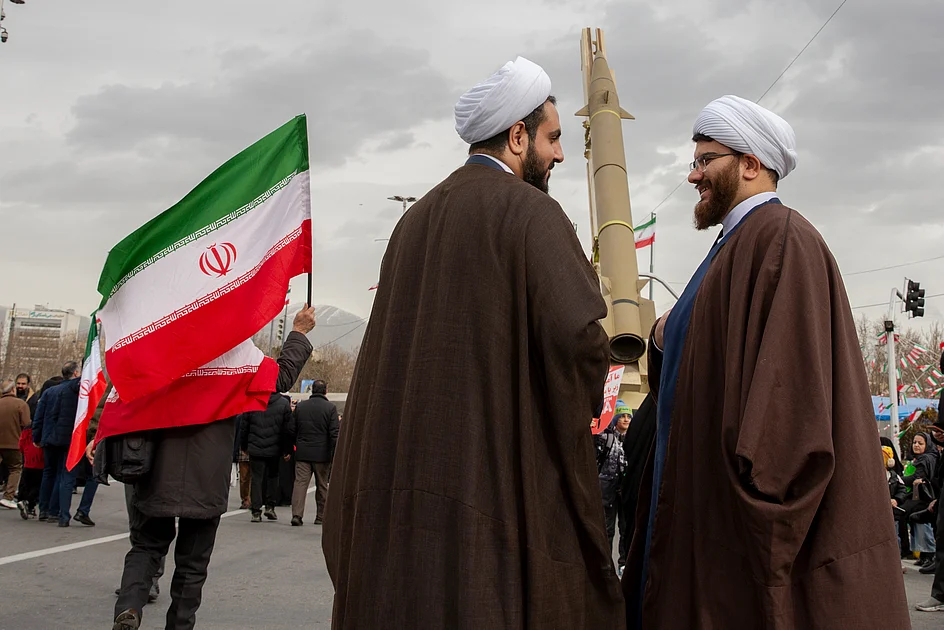
Iran possesses one of the most substantial and diverse missile arsenals in the Middle East, including medium-range ballistic missiles with a reach exceeding 1,200 miles. This capability places U.S. bases across the region—from western Turkey to Israel and the Arabian Gulf States—within striking distance. Recent demonstrations of military prowess, such as the testing of a new sea-based air defense missile in the Strait of Hormuz, underscore Tehran’s readiness to respond decisively to any aggression.
Beyond its conventional forces, Iran’s strategic doctrine relies on its ‘Axis of Resistance’—a network of proxy groups including the Houthis in Yemen and Hezbollah in Lebanon. These allied forces could open multiple retaliatory fronts against U.S. interests and allies, potentially escalating a limited strike into a broader regional conflict. Intelligence officials note that Israel’s defense systems, already strained from prolonged engagements, might be overwhelmed by a concentrated Iranian missile barrage.
The economic implications of such a conflict would be immediate and severe. Iran has repeatedly threatened to close the Strait of Hormuz, a critical chokepoint for global energy transit through which approximately 20% of the world’s oil and liquefied natural gas passes. Any disruption would trigger dramatic spikes in energy prices worldwide, creating economic shockwaves far beyond the conflict zone.
Political analysts emphasize that Iran’s leadership structure presents another layer of complexity. Unlike Venezuela, where power was concentrated in Maduro, Iran’s theocratic regime is deeply entrenched with multiple power centers and ideological foundations solidified over nearly five decades. This makes any attempt at ‘decapitation’ significantly more challenging than the Venezuela operation.
As President Trump contemplates military options in an election year, experts caution that there exists no low-cost, clean military solution regarding Iran. The consensus among conflict resolution specialists is that any military engagement would likely result in American casualties and potentially draw the United States into another protracted Middle Eastern conflict with unpredictable outcomes.