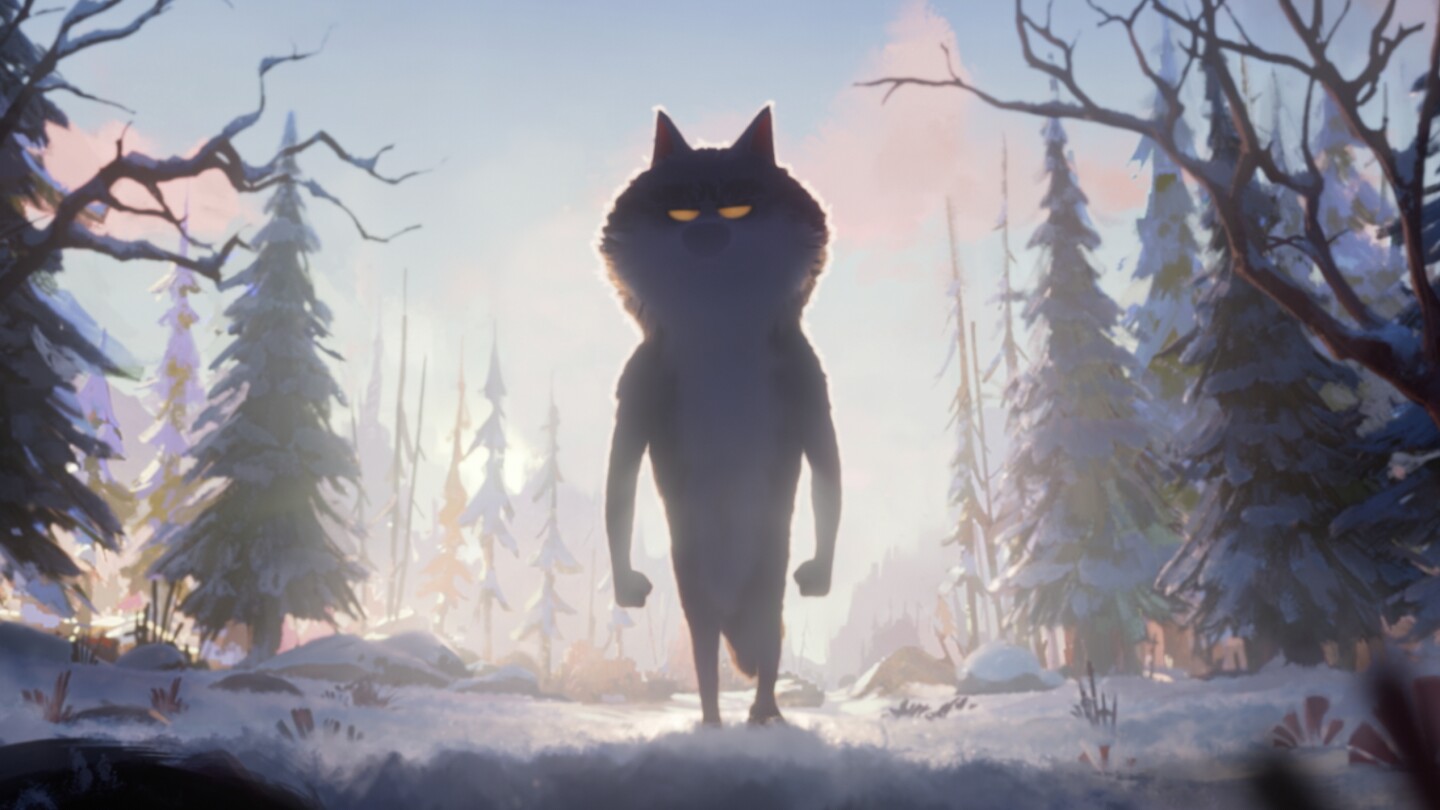
In an era dominated by algorithm-generated content, a French supermarket’s Christmas advertisement has achieved what most global brands aspire to: genuine emotional connection without employing artificial intelligence. Intermarché’s “Unloved” (Le mal aimé) campaign has resonated across international borders, accumulating hundreds of millions of views since its December release and sparking widespread emotional engagement.
The two-and-a-half-minute animated film presents the transformative journey of a solitary wolf, traditionally feared by forest creatures, who consciously alters his identity by mastering vegetable cuisine and contributing to a communal Christmas feast. This narrative of self-reinvention and acceptance, framed within painterly animation and live-action sequences, has transcended its commercial origins to become a cultural phenomenon.
Creative agency Romance, responsible for the campaign, emphasized the deliberate traditional craftsmanship behind the project. “We took time,” stated Victor Chevalier, senior copywriter at Romance, highlighting the months of meticulous work by artists and animators who hand-shaped each expression and movement. This approach stands in stark contrast to the increasing reliance on AI-generated holiday campaigns that many major brands have adopted, often criticized for their emotional emptiness.
The advertisement’s emotional impact is heightened by its soundtrack featuring Claude François’ classic French pop song “Le mal aimé,” which has experienced renewed popularity since the campaign’s launch. While Intermarché’s primary objective remains grocery sales, the campaign’s architects indicate a broader purpose: addressing contemporary social fragmentation through a universal story of empathy and belonging.
Social media platforms across Europe and the United States have become arenas for fan engagement, with viewers creating subtitled versions, producing reaction videos, and expressing desire for a feature-length adaptation. The campaign demonstrates that in an age of digital saturation, audiences increasingly value human-crafted narratives over technologically generated spectacle.