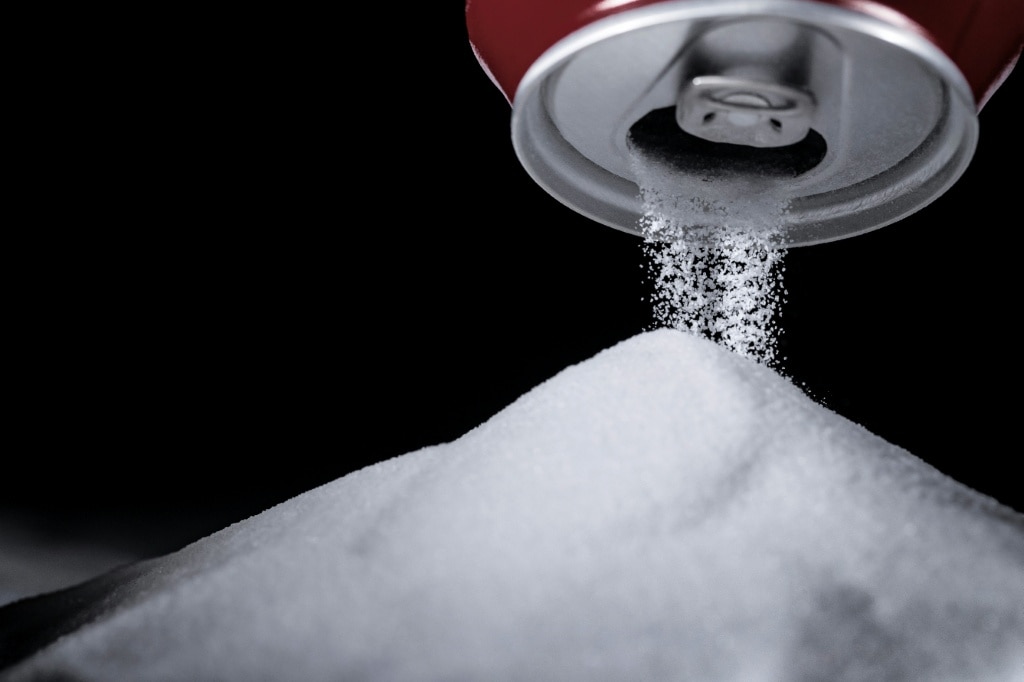
The World Health Organization issued a compelling call to action on Tuesday, advocating for significant tax increases on sugary beverages and alcoholic products worldwide. According to the UN health agency, these products have become increasingly affordable relative to other goods, contributing to rising global health challenges.
The WHO’s comprehensive analysis reveals that inadequate taxation systems are permitting harmful products to maintain artificially low prices while healthcare systems struggle under the financial burden of preventable non-communicable diseases. The organization emphasized that obesity, diabetes, cardiovascular conditions, and various cancers are being fueled by consistently low tax rates on these products across most nations.
WHO Director-General Tedros Adhanom Ghebreyesus characterized health taxes as among the most effective instruments available for disease prevention and health promotion. ‘By implementing higher taxes on tobacco, sugar-sweetened beverages, and alcohol, governments can simultaneously reduce harmful consumption patterns and generate essential funding for critical healthcare services,’ he stated during a press briefing.
The organization released parallel global reports examining taxation policies for both alcohol and sugar-sweetened beverages. The findings indicate that while 116 countries currently impose taxes on sugary drinks like sodas, numerous high-sugar products—including 100% fruit juices, sweetened milk beverages, and ready-to-drink coffee and tea formulations—frequently escape taxation entirely.
Regarding alcoholic beverages, the report documented that beer has become more affordable in 56 countries between 2022 and 2024, while wine receives excise tax exemptions in at least 25 nations, particularly within European markets. The WHO asserts that all alcoholic beverages should be subject to excise taxes without exception.
Dr. Jeremy Farrar, WHO Assistant Director-General for Health Promotion, Disease Prevention and Care, drew parallels between sugary drink taxation and the proven effectiveness of tobacco taxes in reducing consumption. ‘This approach utilizes taxation as a behavioral modification tool while strengthening prevention capabilities in countries grappling with escalating non-communicable disease rates,’ he explained.
The implementation pathway faces significant challenges, as Tedros acknowledged. Health taxes frequently encounter political resistance and vigorous opposition from well-funded industry groups with substantial financial interests at stake. However, the WHO points to successful examples in the Philippines, Britain, and Lithuania as evidence that properly designed tax policies can serve as powerful health protection mechanisms.
As part of its ‘3 by 35’ initiative, the WHO encourages nations to redesign and elevate taxes targeting tobacco, alcohol, and sugary drinks, aiming to substantially increase prices by 2035. This strategy is particularly relevant for lower-income countries facing reduced aid funding, as it could facilitate transition toward sustainable self-reliance in healthcare financing.
Etienne Krug, head of the WHO’s Health Determinants, Promotion and Prevention Department, highlighted the societal implications: ‘Increased alcohol affordability drives violence, injuries and disease. While industry profits accumulate, the public bears the health consequences and society absorbs the economic costs.’