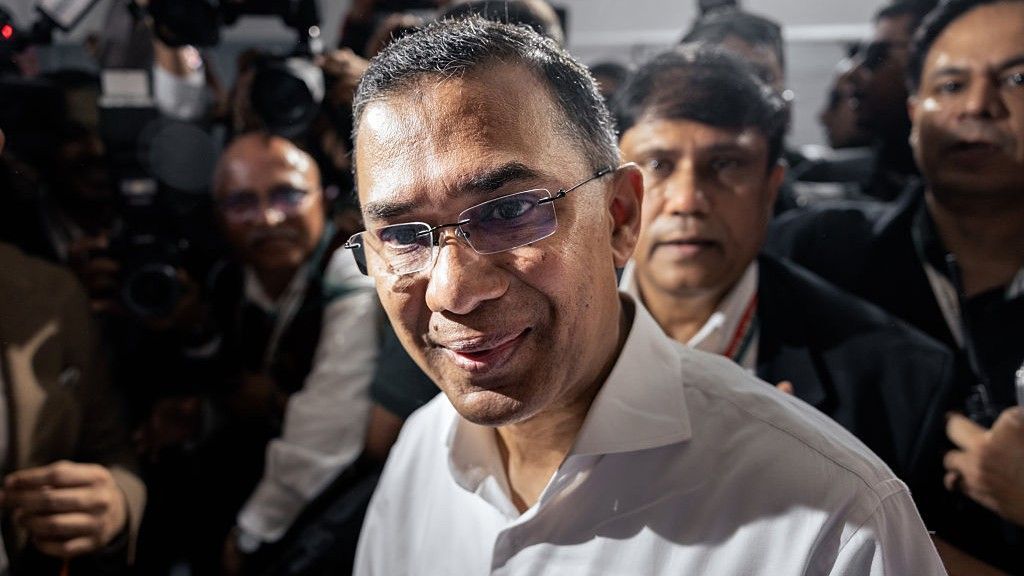
Tarique Rahman stands on the brink of assuming Bangladesh’s premiership after his Bangladesh Nationalist Party (BNP) clinched a decisive parliamentary majority in the recent general election. The 60-year-old scion of Bangladesh’s influential Zia political dynasty now prepares to lead the nation following a victory that marks a significant shift in the country’s political landscape.
Rahman’s ascent to power culminates a complex political journey characterized by familial legacy, controversy, and personal tribulation. His elevation to BNP chairman occurred mere weeks before the national polls, succeeding his mother Khaleda Zia—the nation’s first female prime minister—following her recent passing. The Zia family has remained a dominant force in Bangladeshi politics for decades, with both parents having previously governed the country.
Rahman’s political initiation commenced in 2001 during his mother’s second premiership, though his rapid promotion within party ranks drew immediate accusations of nepotism from opposition forces. His tenure has been shadowed by persistent allegations of corruption and authoritarian leadership styles, with critics labeling him a party ‘hatchet man’ responsible for enforcing discipline.
The new leader’s path included significant personal challenges: his 2007 arrest under a military-backed caretaker government, allegations of torture during detention, and subsequent 17-year exile in London. During this period, Rahman faced multiple in absentia convictions including charges related to a deadly 2004 grenade attack on a political rally—all of which were eventually overturned.
Despite physical absence, Rahman maintained substantial influence over BNP strategy and operations, assuming de facto leadership after his mother’s 2018 imprisonment. His December 2025 return to Bangladesh preceded his formal election as party chairman in January, a transition some analysts deemed inevitable given the family’s entrenched political position.
While some dismiss dynasty politics as irrelevant to effective governance, observers note that Rahman’s true test will be transitioning from party leadership to national statesmanship. Having experienced both the brutal realities of Bangladeshi politics and extended political exile, his capacity to transform personal experience into effective national leadership remains the critical question facing the nation.