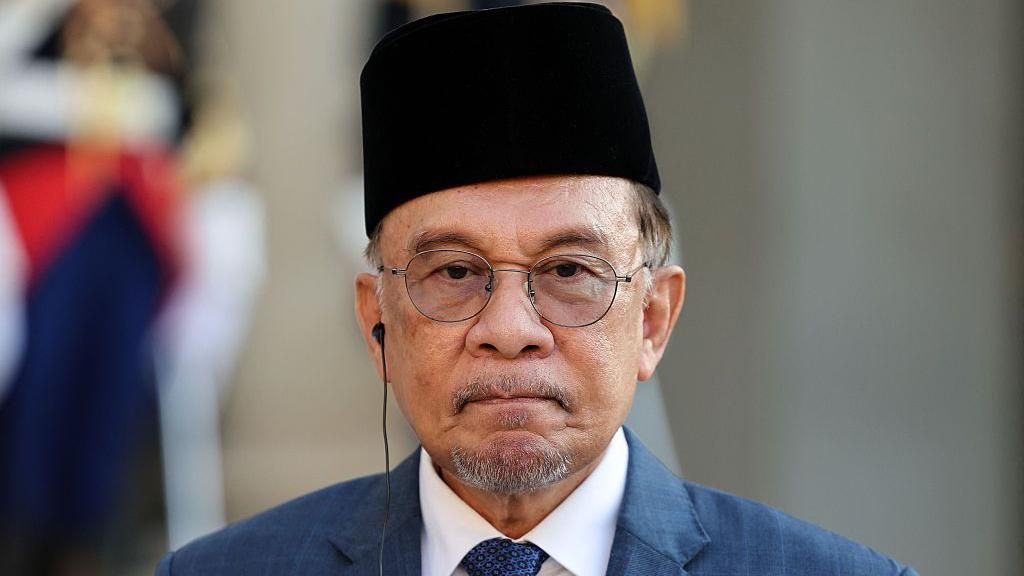
Malaysian Prime Minister Anwar Ibrahim’s recent diplomatic achievements have been overshadowed by domestic challenges. During a high-profile meeting with US President Donald Trump in Kuala Lumpur in October 2025, Anwar secured a crucial tariff reduction on Malaysian exports to the US, from 24% to 19%. This deal, though lacking in finer details, provides much-needed stability for Malaysia’s export-driven economy. More significantly, Anwar orchestrated Trump’s attendance at the ASEAN summit, where the US president presided over a peace deal between Thailand and Cambodia—a fragile ceasefire brokered by Anwar after deadly border clashes earlier in the year. These diplomatic wins have bolstered Malaysia’s standing in the region, but critics argue that Anwar’s success was partly due to his role as ASEAN’s rotating chair. Domestically, Anwar faces mounting pressure. Rising living costs, slow economic reforms, and accusations of favoritism have fueled public discontent. In July 2025, 20,000 protesters took to the streets demanding his resignation. Additionally, his administration’s handling of religious tensions and corruption allegations has drawn criticism. Despite these challenges, Anwar’s international diplomacy has been commendable. He has navigated Malaysia’s position between the US and China, securing visits from both Trump and Chinese President Xi Jinping. However, his ability to replicate this success at home will determine his political survival as Malaysia heads toward the 2028 elections.
Who is Anwar Ibrahim, the Malaysian leader who helped Trump preside over a ‘peace deal’?