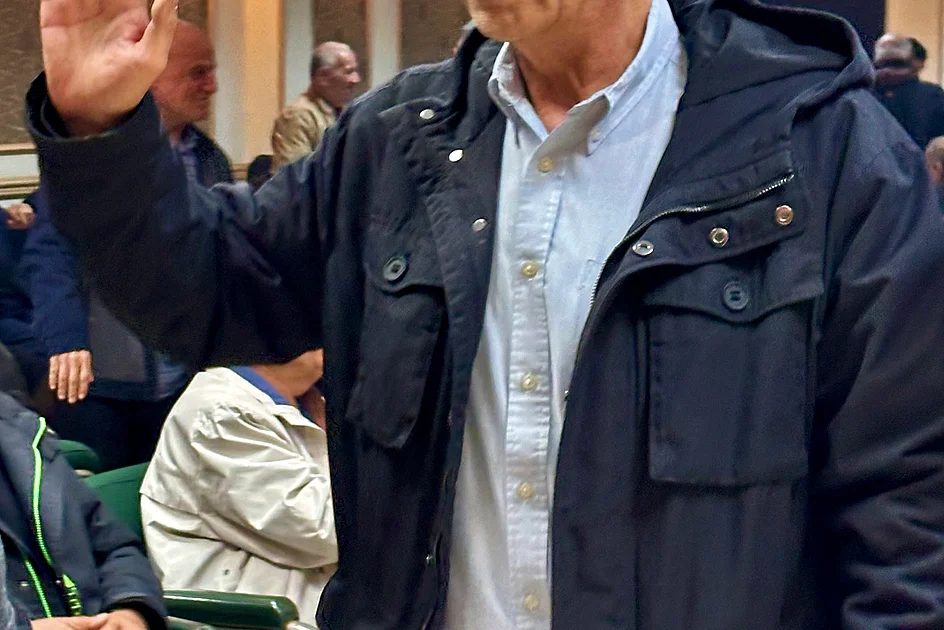
In a significant development following the US-backed peace agreement, Palestinian civil engineer Ali Shaath has been appointed to lead Gaza’s reconstruction efforts with an ambitious seven-year revitalization plan. The former deputy planning minister, who holds a PhD in Civil Engineering from Queen’s University Belfast, will chair a committee of 15 technocrats tasked with governing the Palestinian territory after years of Hamas rule.
Shaath’s innovative approach involves addressing the estimated 68 million tonnes of rubble and unexploded ordnance by potentially creating new land through strategic placement of debris into the Mediterranean Sea. “If I brought bulldozers and pushed the rubble into the sea, and made new islands, new land, I can win new land for Gaza and at the same time clear the rubble,” Shaath stated in a radio interview, suggesting this massive cleanup could be completed within three years.
The reconstruction timeline presents a stark contrast to UN assessments, which estimated in 2024 that rebuilding Gaza’s shattered homes would require until at least 2040, possibly extending for decades. Shaath’s immediate priorities include providing urgent relief and temporary housing for displaced Palestinians, followed by rehabilitation of essential infrastructure and ultimately reconstruction of homes and buildings.
The appointment marks the implementation phase of former President Donald Trump’s peace plan, which envisions transforming Gaza into the “Riviera of the Middle East.” While Israel has withdrawn from nearly half of Gaza, its troops maintain control over the other half, where extensive destruction has occurred. The committee’s jurisdiction will initially cover Hamas-controlled territories, gradually expanding as Israeli forces withdraw further.
Notably, Hamas has expressed support for Shaath’s committee, with senior official Bassem Naim stating that the “ball is now in the court of the mediators, the American guarantor and the international community to empower the committee.” However, significant challenges remain, including ongoing negotiations about disarming Hamas, obtaining permissions for heavy machinery imports typically restricted by Israel, and addressing continued violence that threatens reconstruction efforts.