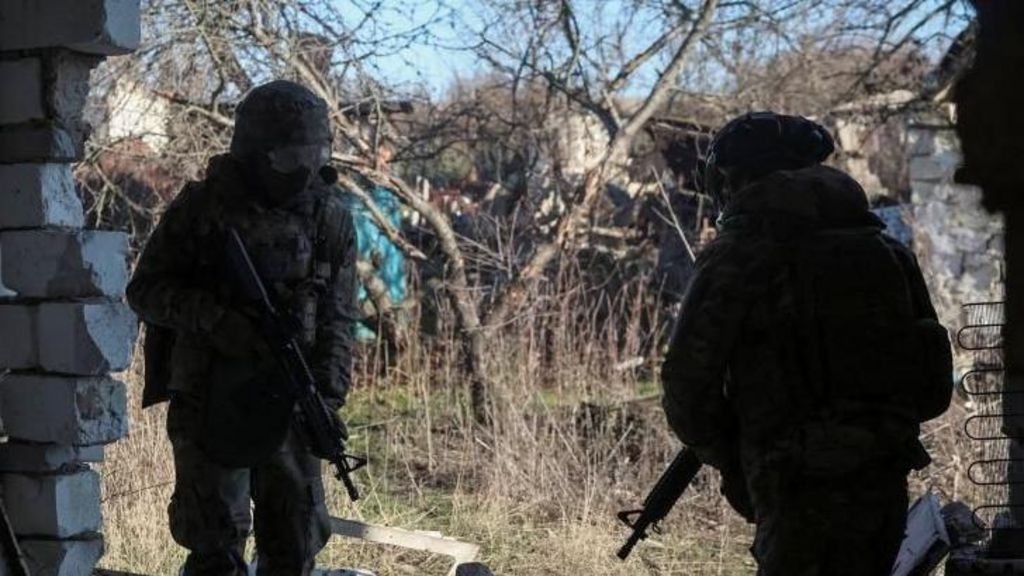
Recent developments in the ongoing Ukraine conflict suggest a potential breakthrough in peace negotiations, with key players expressing cautious optimism. U.S. President Donald Trump announced on Tuesday that a deal is ‘very close,’ while Ukrainian President Volodymyr Zelensky highlighted ‘significant results’ from recent discussions in Geneva. Despite these positive signals, Russian officials remain reserved, with Kremlin aide Yuri Ushakov noting that many elements of the latest draft require further expert discussions. The diplomatic push follows the leak of a 28-point U.S. plan, which proposed territorial concessions and military limitations for Ukraine, sparking outrage in Kyiv. European leaders swiftly countered with their own 28-point proposal, emphasizing ‘negotiations on territorial swaps’ and stronger security guarantees. The revised plan, now reduced to 19 points, has been met with relief by Ukrainian officials, though contentious issues like territory and NATO relations remain unresolved. With Trump’s envoy Steve Witkoff set to visit Moscow and Zelensky potentially returning to the White House, the pace of diplomacy shows no signs of slowing. However, critical questions linger, particularly regarding security guarantees for Ukraine and the future of its sovereignty. As the process unfolds, experts warn that significant challenges remain, and the path to a sustainable peace is far from certain.