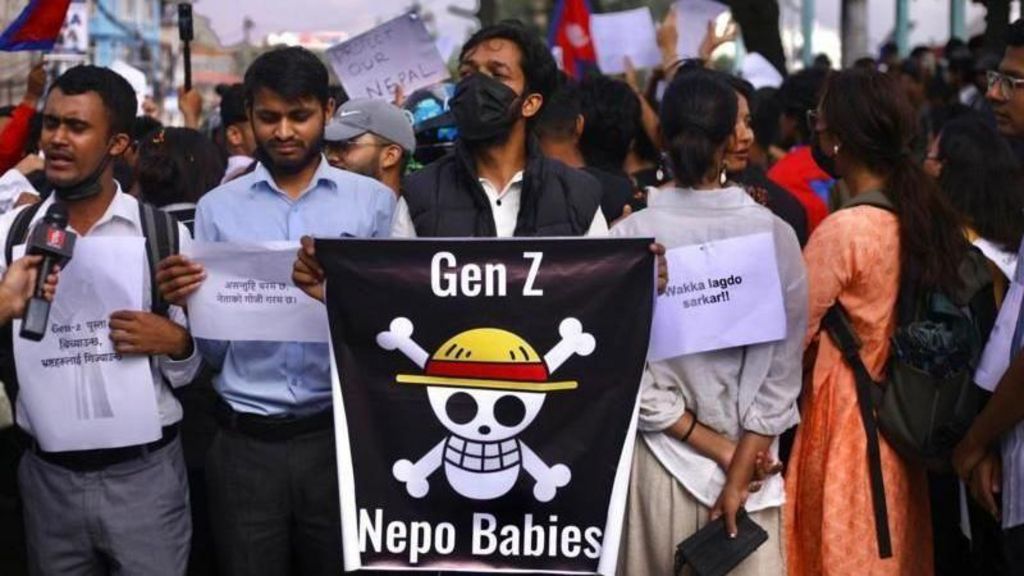
Nepal’s political landscape is undergoing a profound transformation as the nation approaches pivotal elections, driven by a youth-led uprising against systemic corruption and elite privilege. The catalyst for this movement emerged from the ostentatious displays of wealth by politicians’ children on social media, which exposed glaring economic disparities in a country grappling with 20.6% youth unemployment and three million citizens working overseas.
The movement ignited last September when proposed restrictions on social media platforms—the very spaces where young Nepalis voiced outrage over ‘nepo kids’—triggered massive protests. The demonstrations turned tragic when police violence resulted in 77 fatalities, ultimately forcing the prime minister’s resignation. This watershed moment compelled political parties to address long-standing grievances about corruption and inequality.
In response to the uprising, major parties have proposed anti-corruption measures and governance reforms. The newly-formed Rastriya Swatantra Party promises constitutional accountability, while the Communist Party of Nepal UML commits to youth mobilization in national development. The Nepali Congress has taken the significant step of removing its five-time former prime minister as president and proposing comprehensive asset investigations dating to 1991.
The social media landscape has shifted dramatically since the protests. Prominent figures like Shrinkhala Khatiwada (daughter of a former health minister) have deactivated their accounts, while Smita Dahal (granddaughter of a three-time prime minister) has made her profiles private. Though some, like entrepreneur Saugat Thapa, continue displaying luxury lifestyles, their posts no longer generate the same public fury.
Transparency International data reveals 84% of Nepalis consider government corruption a major problem, exemplified by recent scandals including inflated infrastructure costs and fake document schemes involving former ministers. As young voters prepare to cast ballots, they demand concrete action rather than symbolic gestures. While acknowledging some progress, youth leaders emphasize that true change requires systemic overhaul rather than superficial adjustments—a challenging prospect given Nepal’s likely coalition government outcome.
The legacy of September’s sacrifices remains fresh for many protesters, who view the upcoming election as both memorial to the fallen and opportunity for transformative change in a nation weary of injustice.