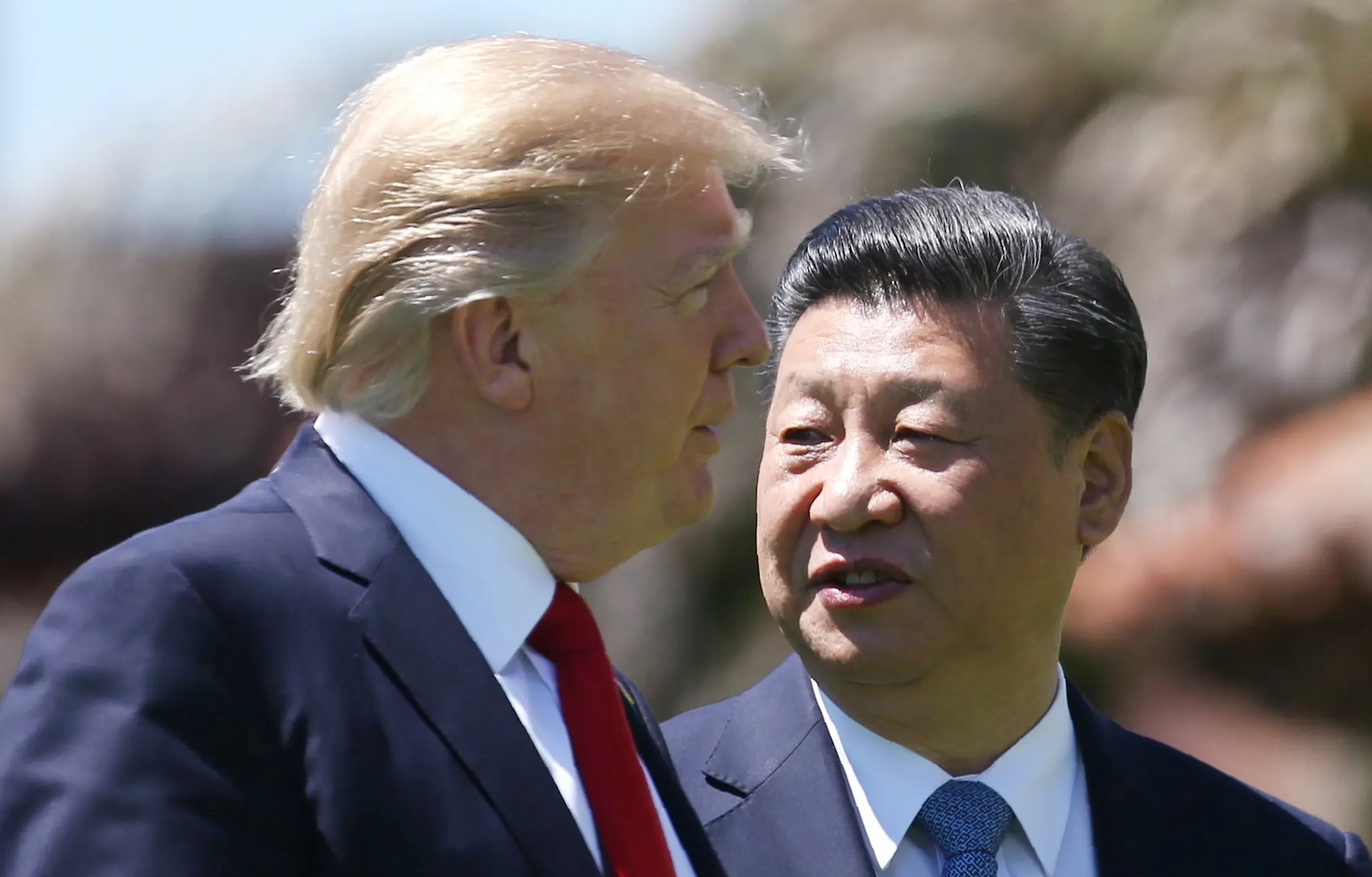
In the wake of a reportedly positive phone call between US President Donald Trump and Chinese President Xi Jinping, speculation is rife about the future of US-China relations, particularly regarding a potential partial US withdrawal from Asia. This move, if realized, could significantly alter the geopolitical landscape, granting China greater political and strategic influence in the region. However, such a shift is fraught with risks and uncertainties, as Asian countries are wary of being left to navigate China’s growing dominance without US support. Francesco Sisci, a prominent analyst, warns that a US retreat from Asia could exacerbate regional tensions, potentially leading to a nuclear arms race among neighboring countries like South Korea and Japan. The situation is further complicated by shifting alliances and defense agreements, such as the recent pact between Pakistan and Saudi Arabia, which could push India closer to Iran. Meanwhile, countries like the Philippines are caught in a delicate balancing act between aligning with China or the US. Sisci emphasizes that any bilateral agreement between the US and China must be part of a broader multilateral framework to avoid destabilizing the region. The interview underscores the fragile and unpredictable nature of Asia’s geopolitical dynamics, where the US presence has historically acted as a stabilizing force. Without it, the region could descend into heightened conflict and militarization, with far-reaching global consequences.