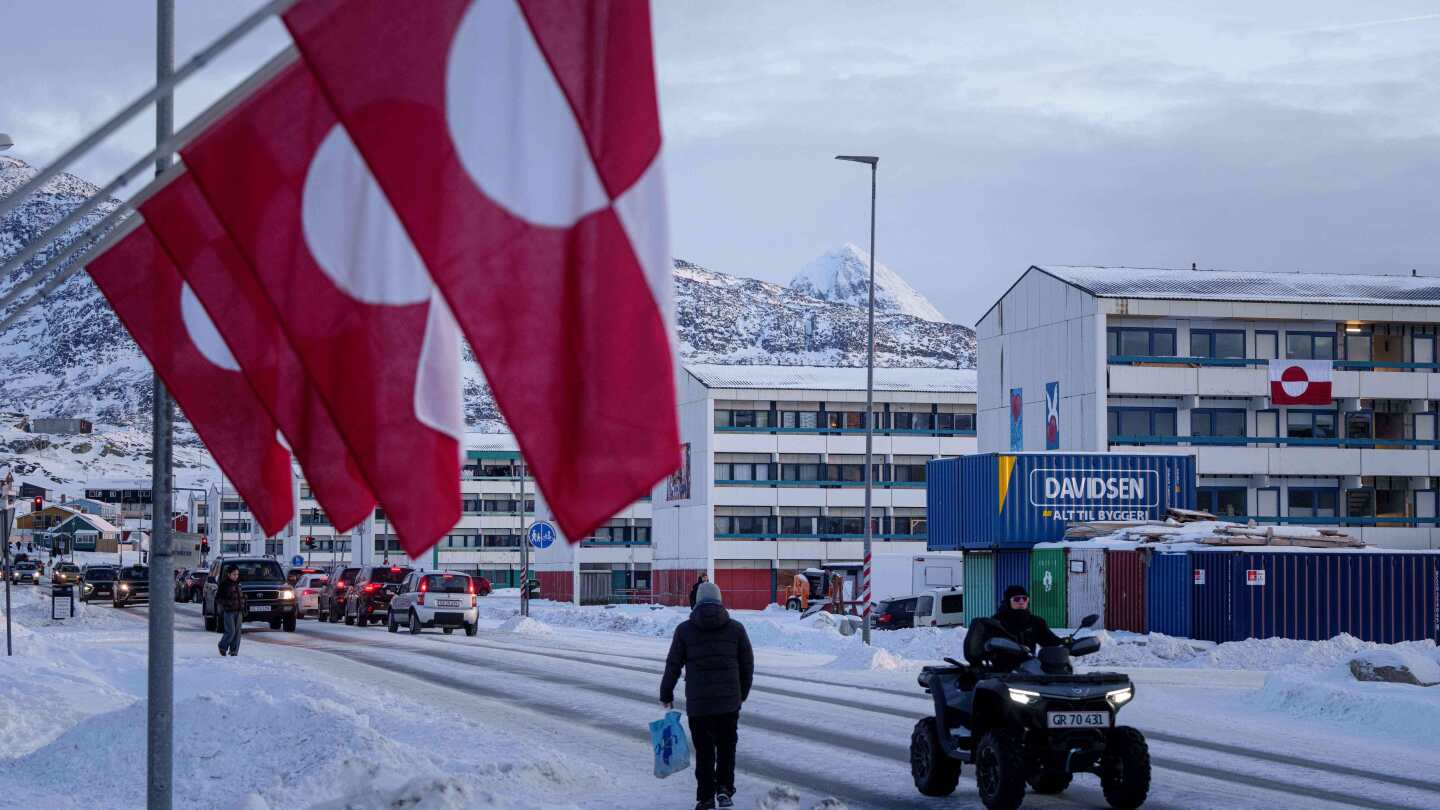
High-level diplomatic discussions between American, Danish, and Greenlandic officials have concluded with acknowledged disagreements regarding President Trump’s aspirations to acquire Greenland. The meetings, which included Danish Foreign Minister Lars Løkke Rasmussen, Greenlandic representatives, and U.S. officials JD Vance and Marco Rubio, revealed persistent tensions over the Arctic territory’s future.
Despite the stalemate, the parties agreed to establish a high-level working group to explore potential compromise solutions. This diplomatic channel aims to address U.S. national security concerns while respecting Denmark’s established boundaries as a NATO ally. The initiative represents an effort to de-escalate tensions through continued dialogue rather than unilateral action.
Concurrently, Denmark has orchestrated a strategic military mobilization in Greenland with several European partners. France, Germany, Norway, Sweden, and the United Kingdom have contributed symbolic troop deployments in a demonstration of solidarity with Copenhagen. Though numerically small, these forces represent a coordinated response to Arctic security concerns and a clear signal to Washington.
Danish Defense Minister Troels Lund Poulsen characterized these developments as steps toward establishing a more permanent allied military presence in the region. The European deployment, while Danish-led, aligns with broader NATO security assessments of the Arctic amid growing Russian and Chinese interest in the region’s untapped mineral resources and strategic positioning.
Analysts interpret these parallel diplomatic and military movements as complementary strategies to reinforce Arctic security through multinational cooperation rather than unilateral territorial acquisition. The situation remains fluid with NATO Secretary General Mark Rutte scheduled to discuss Arctic security with Danish and Greenlandic officials in the coming days.