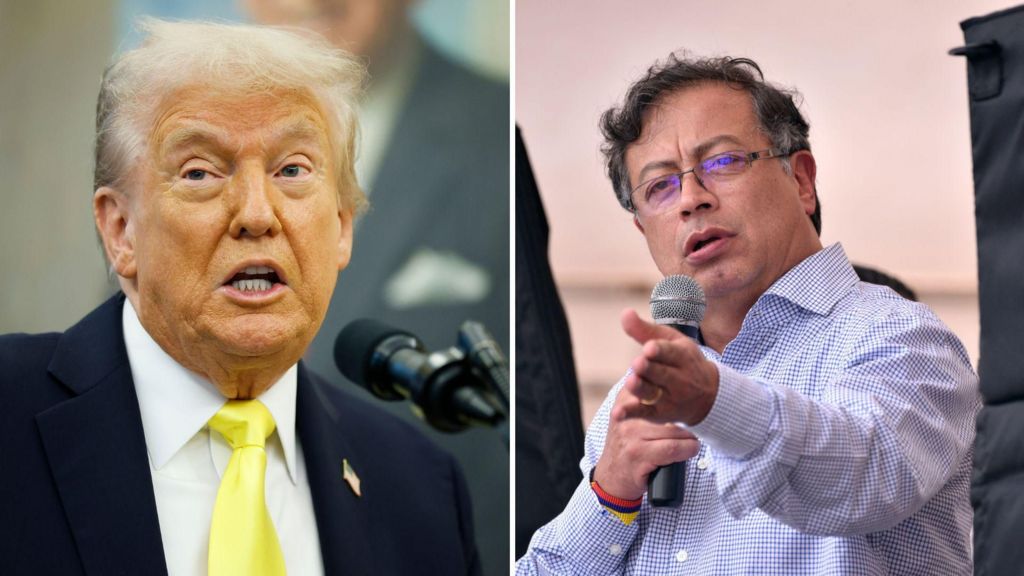
The longstanding alliance between the United States and Colombia, once a cornerstone of Washington’s Latin American strategy, is now teetering on the brink of collapse. Since President Donald Trump returned to the White House in January, tensions between him and Colombian President Gustavo Petro have escalated, culminating in a dramatic suspension of US aid to Colombia. This move came after Trump accused Petro of encouraging drug production, while Petro countered by alleging US military strikes violated Colombian sovereignty and resulted in civilian deaths. The rift between the two leaders, who hail from opposite ends of the political spectrum, has exposed deep fissures in a partnership that has endured for decades. The US-Colombia alliance, forged in the early 2000s under the ‘Plan Colombia’ initiative, aimed to combat drug trafficking and strengthen Colombian security forces. While the program achieved some successes, including weakening the FARC guerrilla group, it has faced criticism for failing to address the root causes of drug production. Cocaine production in Colombia has reached record highs, and the US military’s recent campaign in the Caribbean has highlighted the persistence of the drug trade. The suspension of aid, which exceeded $400 million in 2024, threatens to undermine Colombia’s security efforts and embolden organized crime groups. Analysts warn that the breakdown of this alliance could have far-reaching consequences for both nations, as they remain deeply interdependent in their fight against narcotics. The situation is further complicated by Petro’s domestic challenges, including rising violence from armed groups, and Trump’s controversial drug enforcement policies, which have drawn criticism for their legality and effectiveness. As the two leaders continue to clash, the future of US-Colombia relations hangs in the balance.