A controversial U.S. military operation targeting drug smugglers in international waters near Venezuela has ignited intense congressional scrutiny and raised profound legal questions about the Trump administration’s expansion of military authority. According to classified briefings obtained by congressional oversight committees, American forces conducted a secondary missile strike on September 2nd that killed two survivors clinging to wreckage of a vessel allegedly carrying cocaine.
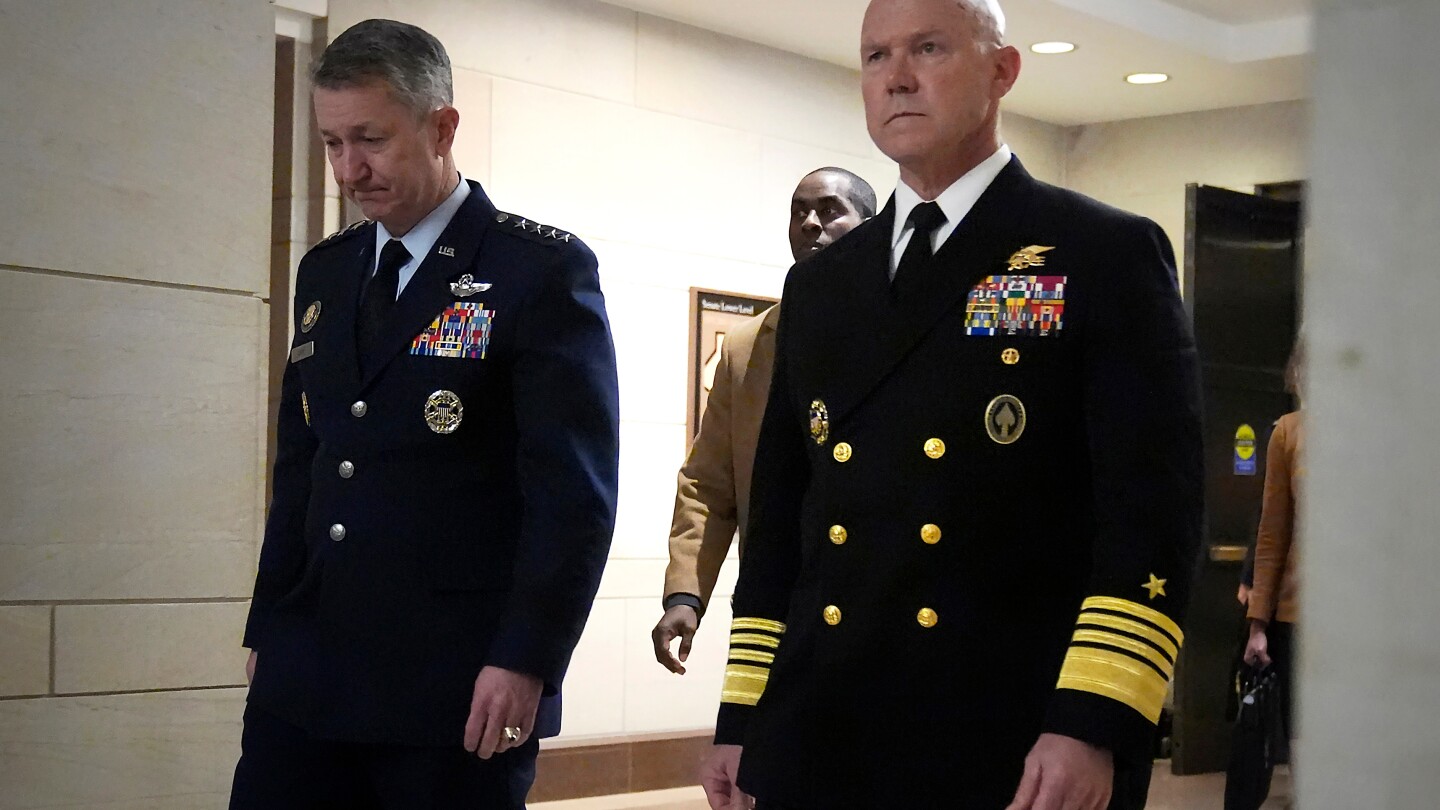
The operation, which represents the military’s first foray into destroying drug-running vessels, has resulted in approximately 87 fatalities across 22 separate engagements. Navy Admiral Frank ‘Mitch’ Bradley, who authorized the controversial follow-up strike, testified that the action aimed to prevent recovery of narcotics rather than target survivors. However, Democratic lawmakers described the incident as ‘deeply concerning,’ with Representative Adam Smith characterizing the victims as ‘drifting in the water until the missiles come and kill them.’
At the heart of the constitutional debate lies a 40-page legal opinion from the Justice Department’s Office of Legal Counsel, dated September 5th—three days after the initial attack. This document reclassifies drug traffickers as terrorist threats, applying counterterrorism rules of engagement to narcotics interdiction operations. The administration has classified this legal justification, withholding it from most military lawyers until mid-November.
The operation’s legal foundation remains particularly contentious as Congress never explicitly authorized military action against drug cartels. Democratic senators have demanded full disclosure of the legal argument and operational orders, with Senator Jack Reed calling the briefing ‘his worst fears confirmed.’ Meanwhile, Republican Senator Tom Cotton defended the strikes, suggesting survivors attempting to right the vessel remained legitimate targets.
Defense Secretary Pete Hegseth’s absence during the critical decision-making phase and the premature retirement of Admiral Alvin Holsey, commander of U.S. forces in Central and South America, have further intensified congressional investigation. The administration continues to defend the operations, announcing another successful drug vessel interception immediately following congressional briefings.