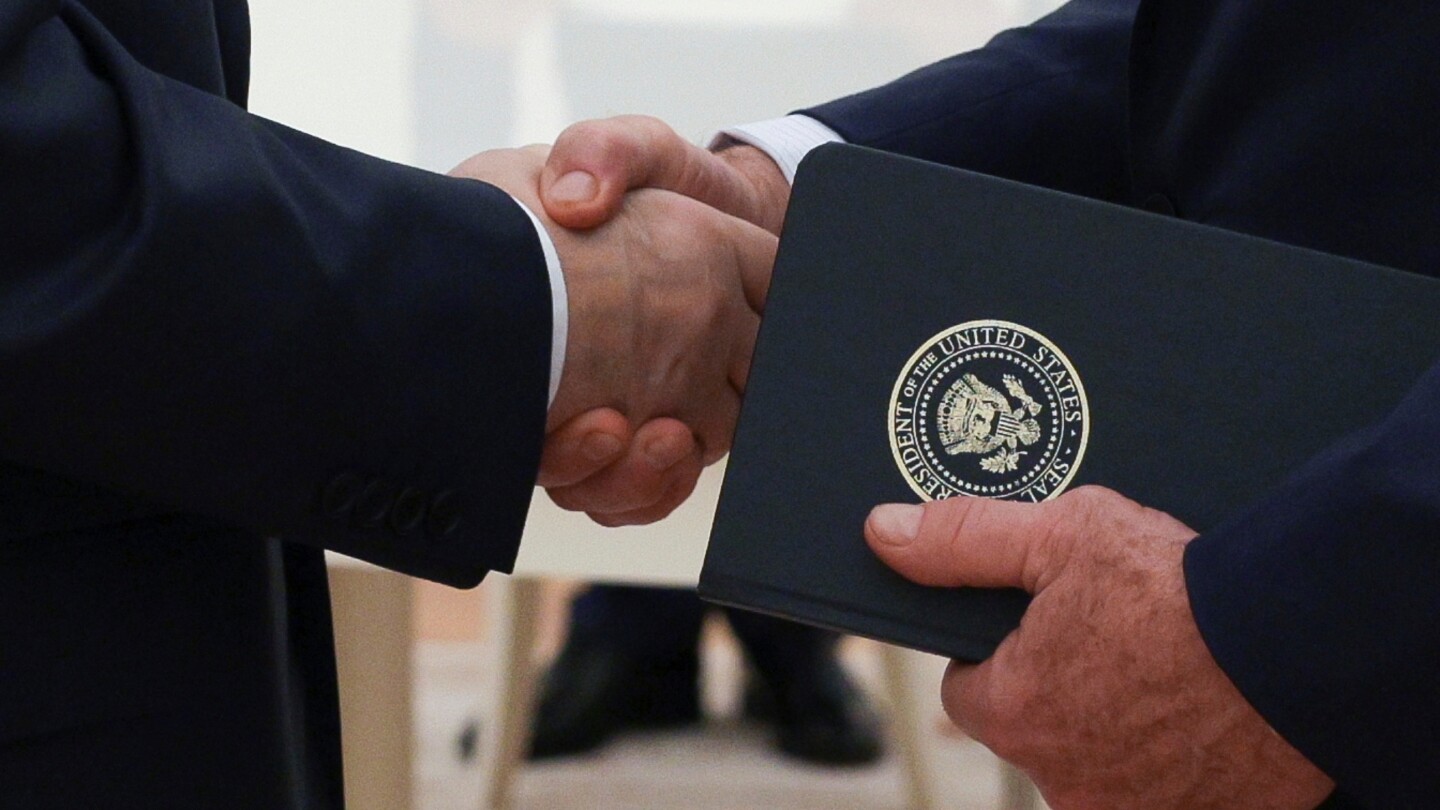
Diplomatic efforts to broker a peace agreement between Russia and Ukraine are intensifying this week as U.S. representatives engage in high-stakes shuttle diplomacy. The renewed push comes after President Donald Trump’s revised peace proposal, which has received cautious optimism from both Ukrainian President Volodymyr Zelenskyy and Russian President Vladimir Putin, though significant obstacles remain.
The diplomatic sequence began with extensive four-hour discussions between Ukrainian officials—including National Security Council head Rustem Umerov and presidential adviser Oleksandr Bevz—and U.S. representatives on Sunday. Secretary of State Marco Rubio characterized the talks as productive while acknowledging substantial work ahead. This week, Trump’s envoy Steve Witkoff is scheduled to meet with Russian leadership in Moscow, with Kremlin spokesman Dmitry Peskov confirming discussions would occur in the week’s first half.
Despite surface-level agreement that Trump’s proposal could form a negotiating basis, fundamental disagreements persist. Russia maintains its maximalist demands for Ukrainian territorial concessions in four illegally annexed regions and permanent exclusion from NATO membership. Ukraine remains adamant against ceding sovereign territory and continues to pursue NATO integration as a security guarantee.
The political landscape shifted notably with Friday’s resignation of Andrii Yermak, Zelenskyy’s former chief of staff and lead negotiator, amid corruption allegations. While neither Zelenskyy nor Yermak face direct accusations, the departure removes a key experienced diplomat from negotiations.
European powers face their own dilemmas as NATO and EU meetings convene this week to discuss military support for Ukraine and address the contentious issue of utilizing frozen Russian assets for Ukrainian reconstruction. The situation highlights Europe’s precarious position—being Ukraine’s primary supporter while remaining peripheral to U.S.-led diplomatic initiatives.
Analysts note Putin’s strategic patience, believing time favors Russian objectives through military pressure. Meanwhile, Zelenskyy faces domestic challenges while maintaining Ukraine’s defensive stance, asserting that Ukraine “doesn’t have a right not to push it to the end.”