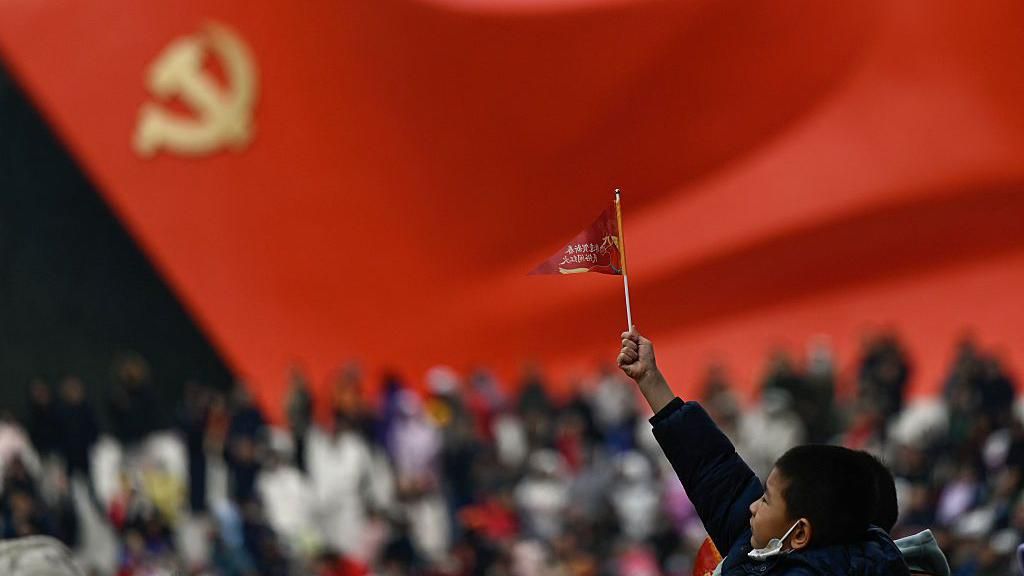
Beijing prepares to host China’s most significant annual political event this week as the dual assemblies known as the ‘Two Sessions’ convene to outline the nation’s policy direction. The Chinese People’s Political Consultative Conference (CPPCC) begins its deliberations on Thursday, followed by the National People’s Congress (NPC) launching proceedings on Friday, with both gatherings expected to span approximately two weeks.
These highly orchestrated meetings serve as a crucial barometer for understanding the priorities of the world’s second-largest economy. International observers are particularly focused on whether China will maintain ambitious growth targets amidst ongoing challenges in stimulating domestic consumption. The proceedings will also unveil China’s next Five-Year Plan (2026-2030), providing critical insights into President Xi Jinping’s strategic roadmap for national development.
The political landscape surrounding this year’s sessions has been notably shaped by recent high-level military purges within the People’s Liberation Army, where numerous senior officers have been dismissed as part of Xi’s persistent anti-corruption campaign. These developments have raised questions about potential absences among delegate ranks during the gatherings.
While the CPPCC functions as an advisory body comprising over 2,000 members from diverse sectors beyond the Communist Party, its discussions offer valuable perspectives on policy debates despite lacking formal legislative authority. The NPC, established in 1954, technically wields extensive powers including constitutional amendments and budget approvals, though it primarily serves to ratify decisions predetermined by Party leadership behind closed doors.
This year’s agenda features several significant legislative items, including a controversial ‘ethnic unity’ law that human rights organizations warn could further suppress minority cultures by prioritizing Mandarin over regional languages. The legislation also promotes interethnic marriage and mandates patriotic education for minors. Additionally, delegates will consider the comprehensive Ecological and Environmental Code addressing pollution control and sustainable development.
The centerpiece remains Premier Li Qiang’s Government Work Report, which will review past performance and establish economic targets for the coming year. Analysts will scrutinize whether China maintains its approximately 5% growth target or shifts toward more moderate, quality-focused expansion. The proceedings occur against a backdrop of renewed Western diplomatic engagement, with multiple world leaders recently seeking stabilized relations with Beijing amid global geopolitical uncertainties.