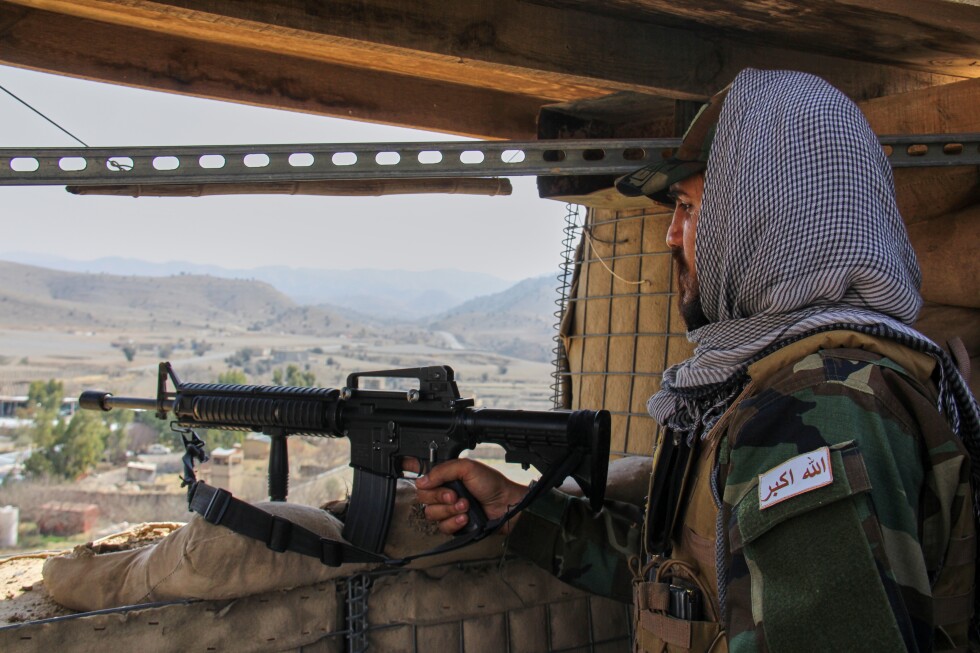
Pakistan’s Defense Minister Khawaja Mohammad Asif declared Friday that his nation is engaged in an ‘open war’ with Afghanistan, marking the most severe military confrontation between the neighboring countries since their October ceasefire mediated by Qatar. The escalating violence represents a dangerous deterioration in relations between two nations bound by complex historical, ethnic, and social ties dating to Pakistan’s creation in 1947.
The current crisis erupted when Afghanistan launched extensive cross-border attacks into six Pakistani provinces Thursday night, characterizing the operation as retaliation for Pakistani airstrikes on Afghan territory Sunday. Pakistan had claimed those initial strikes eliminated dozens of militants, while Kabul maintained only civilians including women and children were killed. In response, Pakistan conducted further airstrikes early Friday targeting the Afghan capital and regions of Kandahar and Paktia, reigniting border clashes that continued throughout the day.
At the heart of the conflict lies Pakistan’s accusation that Afghanistan provides safe haven to the Pakistani Taliban (Tehrik-e-Taliban Pakistan or TTP), which Islamabad blames for a sharp increase in militant violence within its borders. The UN and US-designated terrorist organization, formed in 2007, seeks stricter Islamic laws and reduced Pakistani military presence in border regions. Although separate from the Afghan Taliban, the TTP maintains close alliances and many leaders reportedly took refuge in Afghanistan following the Taliban’s 2021 return to power.
The tension concentrates along the contentious 2,611-kilometer Durand Line frontier, established in 1893 and internationally recognized as Pakistan’s western border—though Afghanistan has never accepted this demarcation. The line bisects the Pashtun tribal heartland, Afghanistan’s largest ethnic group and the base from which the Taliban emerged.
Relations have deteriorated significantly since Pakistan began mass deportations of Afghan refugees in 2023, affecting over two million Afghans including some born in Pakistan. This crackdown, combined with failed peace talks in Istanbul last November and the collapse of a Qatar-brokered ceasefire, has created a volatile situation that has alarmed the international community.
World powers including Russia, Iran, Turkey, Qatar, and Saudi Arabia have called for immediate de-escalation and offered to facilitate dialogue, recognizing the region’s vulnerability to resurgent militant groups including al-Qaida and Islamic State. The conflict threatens regional stability and represents a critical test for diplomatic conflict resolution mechanisms.