BRUSSELS — In a critical overnight summit that stretched into Friday morning, European Union leaders reached a landmark agreement to extend a massive $106 billion interest-free loan to Ukraine, providing vital financial stability for the war-torn nation’s military and economic needs through 2027. The decision came after intense negotiations failed to secure Belgian support for an alternative plan that would have utilized frozen Russian assets.
The original proposal, championed by European Commission President Ursula von der Leyen and supported by German Chancellor Friedrich Merz and French President Emmanuel Macron, sought to leverage approximately $246 billion in Russian assets frozen across Europe, predominantly in Belgium. This approach would have required only a two-thirds majority among the 27 member states. However, Belgian Prime Minister Bart de Wever maintained firm opposition throughout the night, citing legal vulnerabilities and potential retaliation from Moscow following Russia’s Central Bank filing a lawsuit against Euroclear, the Brussels-based financial institution holding the majority of these assets.
Facing political impasse, leaders pivoted to Article 20 of the Treaty of Europe, enabling the EU to borrow directly from capital markets—a mechanism previously deployed during the COVID-19 pandemic for the bloc’s $750 billion recovery fund. This alternative required unanimous approval, achieved through strategic concessions to Hungary, Slovakia, and the Czech Republic, which opposed assuming additional debt but agreed not to block the package in exchange for financial liability protections.
Hungarian Prime Minister Viktor Orbán, Russian President Vladimir Putin’s closest EU ally, declared a dual victory on social media, claiming he prevented “a declaration of war on Russia” through asset seizure and protected Hungarian families from approximately $3 billion in potential financial burdens.
Despite the setback on immediate asset utilization, EU leaders emphasized that frozen Russian funds remain a prospective repayment mechanism. The official statement clarified that Ukraine’s repayment obligation would only trigger after Russia compensates for war damages, estimated by Ukrainian President Volodymyr Zelenskyy at over $700 billion. Pending reparations, the EU reserves the right to apply frozen assets toward loan repayment in accordance with international law.
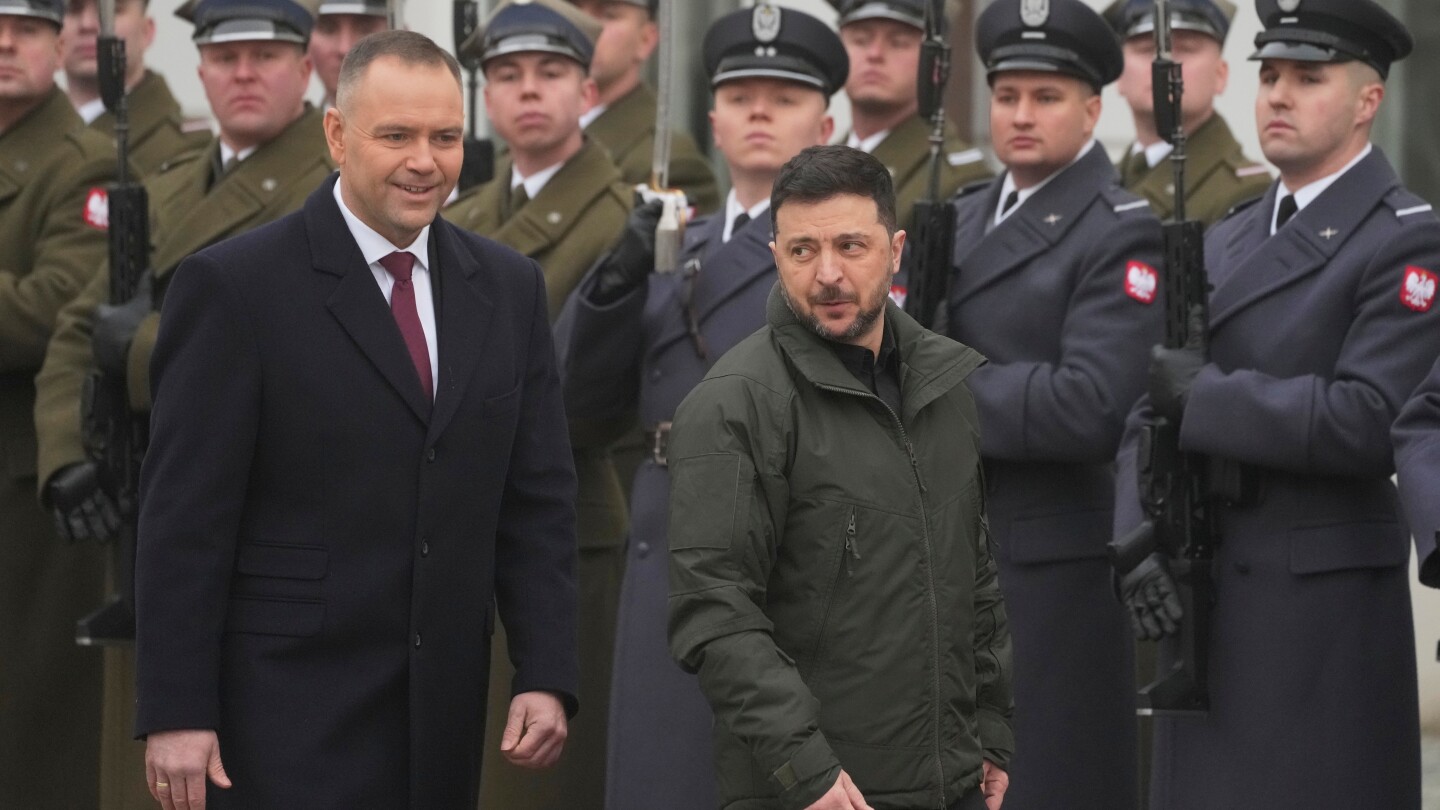
President Zelenskyy, speaking from Warsaw, hailed the agreement as providing “financial certainty for the coming years,” indicating funds would prioritize defense if conflict persists or reconstruction should peace emerge. The International Monetary Fund estimates Ukraine requires $161 billion through 2027 to avert governmental collapse and address urgent needs from ammunition to infrastructure.