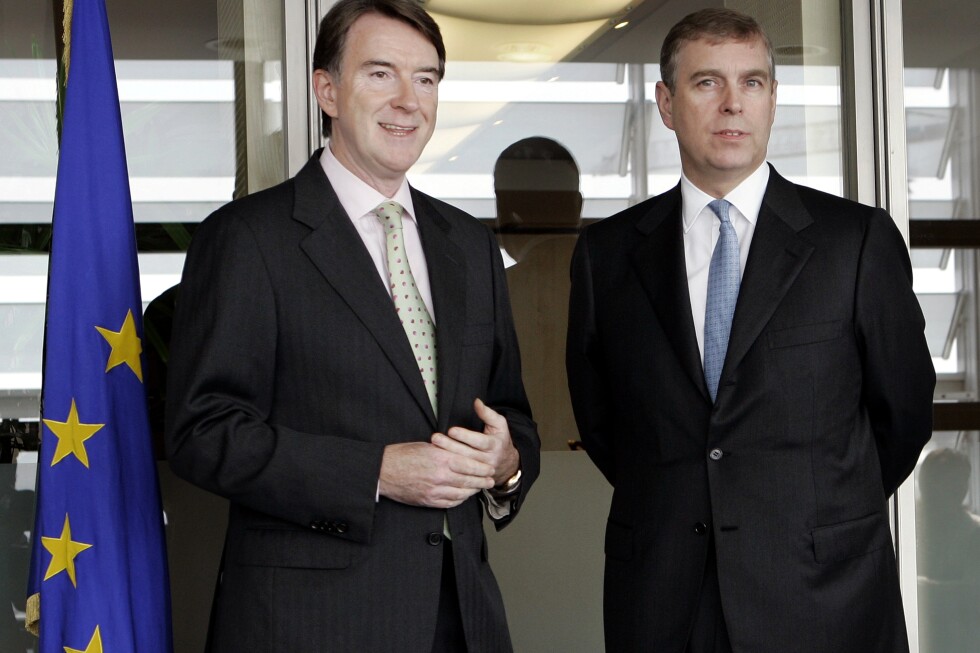
LONDON — Britain’s centuries-old misconduct in public office statute faces mounting scrutiny as two prominent figures—former Prince Andrew (now Andrew Mountbatten-Windsor) and ex-Business Secretary Peter Mandelson—undergo criminal investigations regarding their associations with convicted sex offender Jeffrey Epstein.
Both individuals, questioned within days of each other by metropolitan police, are being investigated for allegedly leaking sensitive government information to the financier. Though neither has been formally charged, the high-profile cases have exposed fundamental flaws in the medieval-era legal framework governing public officials’ conduct.
Recently unsealed U.S. government documents suggest Mountbatten-Windsor, during his tenure as UK’s special trade representative (2001-2011), provided Epstein with confidential trade reports. Mandelson, a veteran Labour Party politician and former ambassador to Washington, allegedly shared internal government documents with Epstein and promised to lobby for reduced banker bonus taxes during his ministerial term approximately 15 years ago.
The Crown Prosecution Service defines misconduct in public office as “serious willful abuse or neglect of the power or responsibilities of the public office held.” Conviction carries a potential life sentence, yet legal experts emphasize the offense remains notoriously difficult to prove due to its vague terminology and high evidentiary thresholds.
Particular challenges exist in Mountbatten-Windsor’s case, where prosecutors must first establish whether his unsalaried trade envoy role constituted a “public office.” Additionally, investigators must demonstrate willful misconduct rather than mere negligence, and prove actions were so severe they fundamentally abused public trust.
The Law Commission, an independent legal body, has repeatedly called for reforming what it describes as “unhelpfully vague” legislation. Critics note the offense has historically targeted mid-level officials like police and prison officers rather than senior politicians or high-ranking officials.
Both subjects were released following questioning, with legal analysts suggesting charges remain distant. Marcus Johnstone of PCD Solicitors noted: “The threshold is high: conduct must be so far below acceptable standards that it affronts the office’s standing. We remain considerably distant from potential prosecution.”