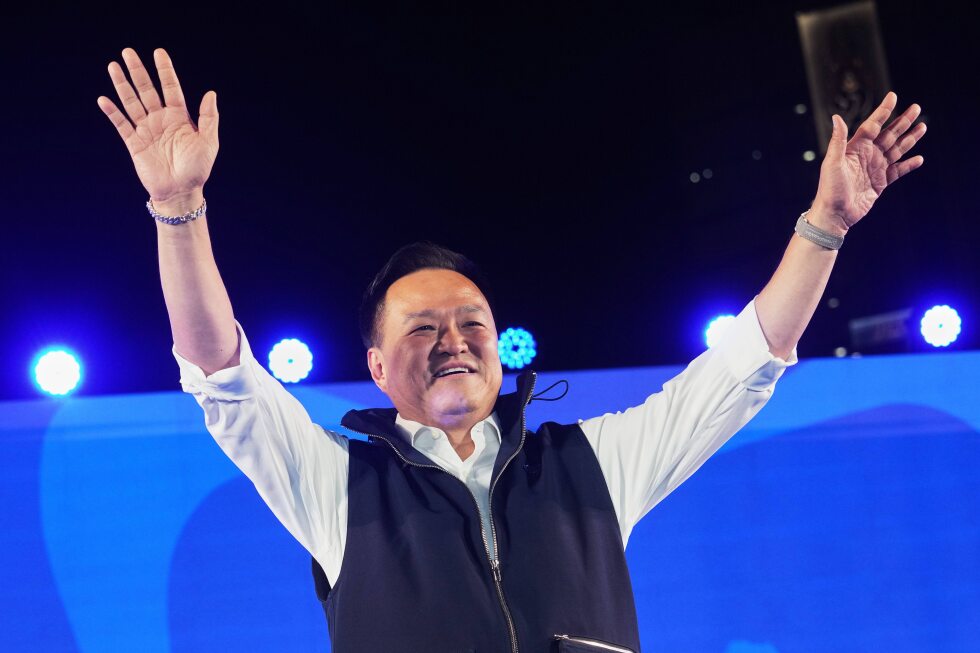
BANGKOK — Thailand stands at a political crossroads as the nation prepares for Sunday’s general election, marked by economic challenges, nationalist fervor, and allegations of corruption. The snap election, called unexpectedly by Prime Minister Anutin Charnvirakul in December, represents a critical moment for Southeast Asia’s second-largest economy.
The political landscape features three dominant parties locked in a competitive race with no clear frontrunner anticipated. Prime Minister Anutin leads the conservative Bhumjaithai Party, repositioning himself as a resolute leader following border tensions with Cambodia after his administration faced criticism over devastating floods and corruption scandals.
Opposition forces include the progressive People’s Party, currently leading in polls with an ambitious reform agenda. Despite winning the most parliamentary seats in the 2023 election under a different banner, the party was prevented from forming a government by conservative lawmakers. Meanwhile, the Pheu Thai Party, associated with former Prime Minister Thaksin Shinawatra, campaigns on economic revival through populist measures despite recent political setbacks.
The electoral system will elect 400 constituency-based lawmakers and 100 party-list representatives, collectively forming the 500-member House of Representatives responsible for selecting the next prime minister. Political analysts suggest a Bhumjaithai-led coalition appears most probable, as conservative establishments view their platform as less disruptive to Thailand’s political status quo.
Concurrently, voters will decide on a constitutional referendum determining whether Parliament should initiate the process of replacing the military-drafted 2017 charter. Democratic advocates consider this a crucial step toward reducing unelected institutions’ influence, while conservatives argue existing provisions ensure political stability.