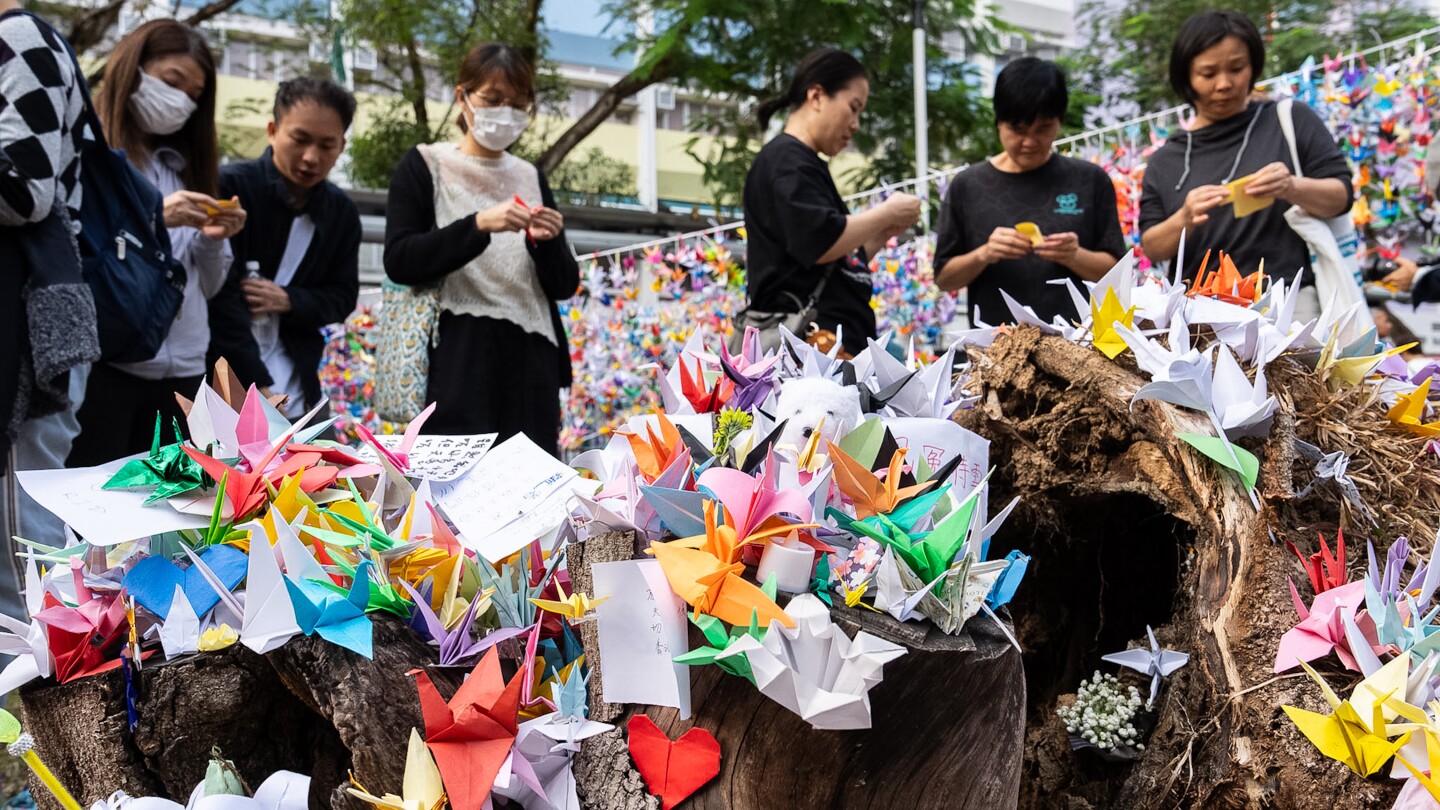
Hong Kong’s upcoming Legislative Council elections, scheduled for Sunday, are occurring under extraordinary circumstances as the city grapples with the aftermath of its deadliest fire in over seven decades. The tragic blaze that claimed 159 lives in a high-rise complex has intensified scrutiny on Beijing’s governance model and cast a pall over an electoral process already marked by significant political transformation.
The electoral landscape has undergone substantial restructuring since China’s 2021 electoral overhaul, which reduced directly elected seats from 35 to 20 while expanding appointed positions. The current election features notable demographic shifts among candidates, with nearly 40% of incumbents declining to seek reelection—including both prominent figures and moderately vocal politicians. Their replacements demonstrate increased connections to mainland China, with at least 26 candidates holding positions in Chinese-state enterprises and 16 serving as delegates to China’s national legislature—more than double the previous election’s representation.
Political analysts interpret these changes as signaling Beijing’s preference for politicians who align closely with national agendas rather than local interests. Professor John Burns of the University of Hong Kong observes that central authorities appear to be implementing informal criteria regarding age limits and vocal independence while prioritizing candidates with national perspectives. The pro-democracy camp has completely vanished from the legislature following arrests under the 2020 national security law, creating a political environment where voter apathy has reached record levels.
The government’s extensive efforts to boost participation—including extended voting hours, additional polling stations, and corporate voting time-off—now confront the complicating factor of public sentiment regarding the fire tragedy. While some residents may express gratitude for official response efforts, others harbor concerns about systemic governance failures revealed by the disaster. The final turnout figures will serve as a crucial barometer of public engagement with a political system that has undergone fundamental restructuring in recent years.