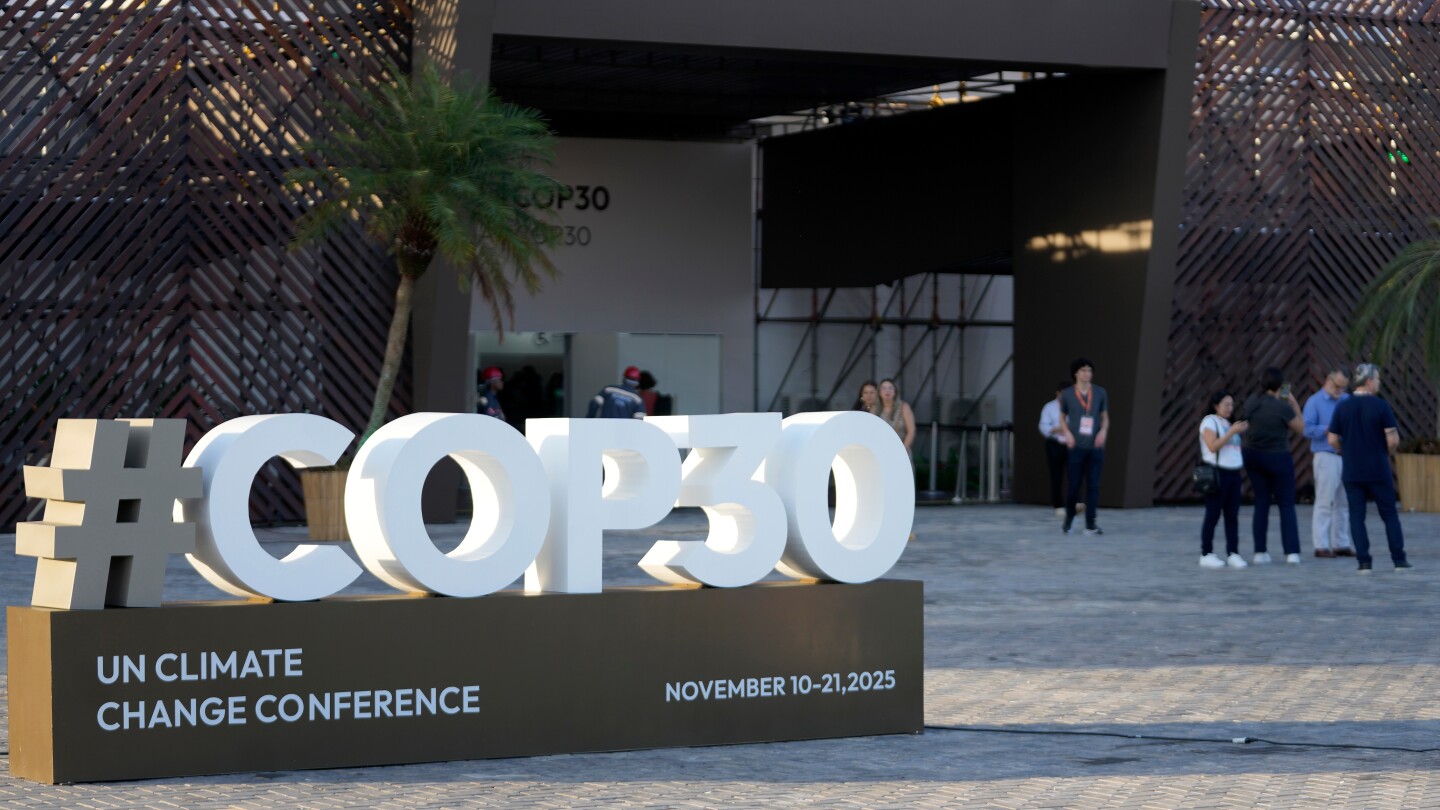
As the world grapples with escalating climate crises, Belem, Brazil, has become the focal point for the 30th United Nations Climate Summit, COP30. Delegates from across the globe are converging at the gateway of the Amazon, aiming to forge collective strategies to mitigate the devastating impacts of human-induced climate change. Despite the urgency, many experts warn that the window to achieve meaningful progress is rapidly closing. The stakes are monumental, as climate change continues to exacerbate life-threatening disasters for billions worldwide. Delaying action, they argue, will only deepen the crisis. This year’s summit places a spotlight on Indigenous communities, forest conservation, and sustainable agriculture, recognizing their pivotal role in combating climate change. Brazil’s government is championing the Tropical Forests Forever Facility, an innovative initiative offering financial incentives for forest protection. However, the success of this program hinges on substantial financial commitments from global leaders. The summit also underscores the need to overhaul food systems and safeguard ecosystems that absorb pollution and protect against diseases. Despite these efforts, the world remains off track from the Paris Agreement’s goals, with global temperatures rising alarmingly. While renewable energy has become more cost-effective than fossil fuels, many nations’ climate plans fall short of what is required. COP30 is not expected to yield a landmark agreement but is instead framed as an ‘implementation COP,’ focusing on accelerating existing commitments. Critics, however, remain skeptical, with some labeling such gatherings as ineffective bureaucratic exercises. As the world watches, the question remains: Can COP30 catalyze the urgent action needed to avert climate catastrophe?