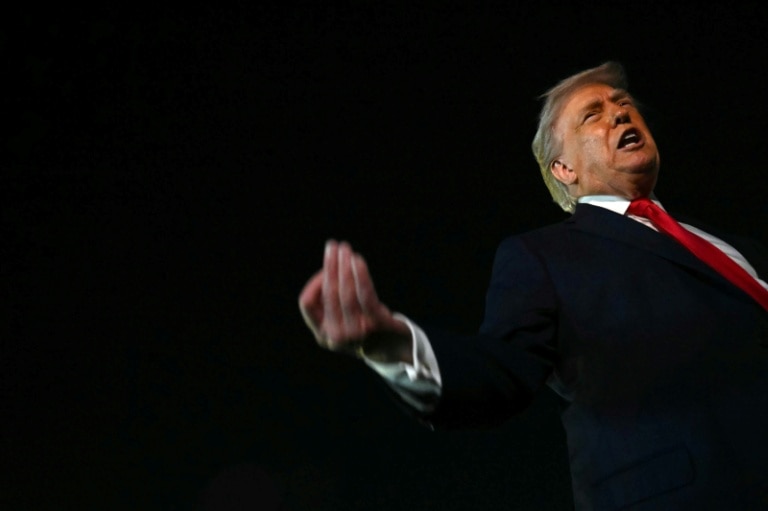
In a controversial diplomatic initiative, the Trump administration has formally proposed the establishment of an international ‘Board of Peace’ with extraordinary provisions granting former President Donald Trump permanent leadership authority. According to a charter document obtained by AFP, the organization would require nations to contribute up to $1 billion for permanent membership privileges.
The proposed board, initially conceptualized for Gaza reconstruction efforts, now envisions a broader mandate to ‘promote stability, restore dependable and lawful governance, and secure enduring peace in areas affected or threatened by conflict.’ The charter explicitly states all operations would comply with international law.
Central to the controversy are the sweeping powers designated to the chairman position, which would be occupied indefinitely by Donald Trump. The charter grants the chairman ‘exclusive authority to create, modify or dissolve subsidiary entities’ and appoint members to an executive board composed of ‘leaders of global stature.’ Notably, the chairman can only be replaced through ‘voluntary resignation or as a result of incapacity,’ potentially allowing Trump to maintain influence regardless of future political positions.
The executive board structure reveals a notable concentration of Trump allies and associates, including:
– US Secretary of State Marco Rubio
– Special negotiator Steve Witkoff
– Senior advisor Jared Kushner
– Former UK Prime Minister Tony Blair
– Billionaire financier Marc Rowan
– World Bank President Ajay Banga
– National Security Council aide Robert Gabriel
Membership invitations have extended to both traditional allies and adversaries, including China, Russia, and Ukraine simultaneously—a particularly contentious arrangement given Russia’s ongoing invasion of Ukraine. While Hungary’s Viktor Orban and the United Arab Emirates have committed participation, Canada has explicitly rejected the $1 billion permanent membership fee. France has declined involvement, prompting retaliatory tariff threats from Trump against French wine exports.
The board requires consent from three states to become operational, with annual decision-making conducted through majority voting where the chairman holds tie-breaking authority.