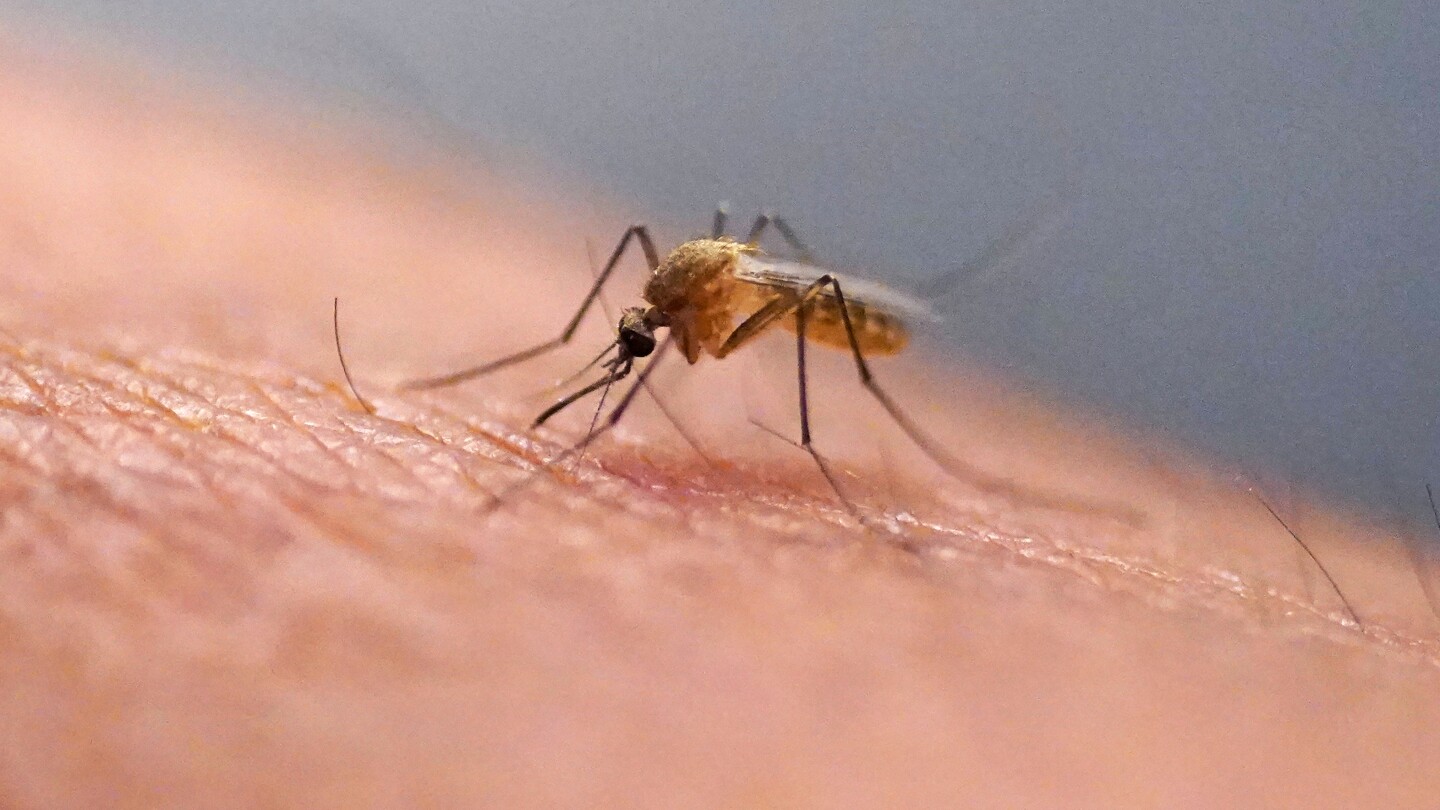
A resident of New York’s Long Island suburbs has tested positive for chikungunya, a mosquito-borne virus typically prevalent in South America. This marks the first locally acquired case in the U.S. mainland since 2015, raising concerns among health officials. The patient, who began experiencing symptoms in August, had recently traveled within the country but not internationally. While the exact location of the mosquito bite remains unclear, the virus has not been detected in local mosquito populations, and it is not transmitted directly between humans. Chikungunya, first identified in Tanzania in 1952, derives its name from the Makonde language, meaning “that which bends up,” due to the severe joint pain it can cause. Symptoms include fever, muscle pain, nausea, fatigue, and rash, with rare cases leading to prolonged joint pain or organ damage. Although severe cases and fatalities are uncommon, they primarily affect infants and the elderly with underlying health conditions. There is no specific treatment for chikungunya, but symptom management includes fever reducers and pain relievers. Two vaccines are approved in regions like Europe and Brazil but are not widely available in highly affected areas. Globally, chikungunya outbreaks have surged since 2000, with over 317,000 cases and 135 deaths reported in 2024 alone, primarily in Brazil, Bolivia, Argentina, and Peru. Health officials attribute the rise in mosquito-borne diseases like chikungunya, dengue, and Zika to climate change and urban expansion. In New York, the Aedes albopictus mosquito, known to transmit the virus, is present in downstate areas, though current cooler temperatures reduce transmission risks. The CDC has recorded 199 travel-related cases in 2024, highlighting the need for vigilance in mosquito prevention measures.
What is the chikungunya virus now transmitted in the US for the first time in years?