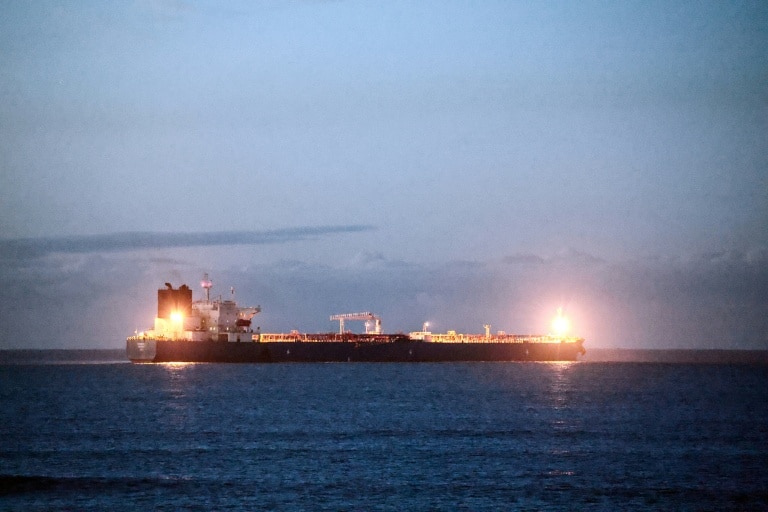
France’s recent interception of an oil tanker suspected of operating within Russia’s clandestine ‘shadow fleet’ has brought international scrutiny to Moscow’s sophisticated sanctions-evasion tactics. This elaborate maritime network represents a critical component of Russia’s economic strategy to circumvent restrictions imposed by Western nations following its 2022 invasion of Ukraine.
The shadow fleet comprises an armada of aging oil tankers with deliberately obscured ownership structures, specifically designed to bypass sanctions from the EU, United States, and G7 nations. These measures, including a price cap on Russian crude intended to limit Moscow’s war-funding revenues, have effectively barred many vessels carrying Russian oil from accessing Western insurance and maritime services. The EU currently maintains a blacklist of 598 prohibited vessels, while the US identifies 183 ships and asserts extraterritorial authority to act against them.
Operational methodology involves multiple layers of deception. According to expert analyses and European Parliament documentation, the network utilizes complex corporate veils with management companies based in jurisdictions including the United Arab Emirates, Seychelles, Mauritius, and the Marshall Islands. Vessels frequently employ flags of convenience—with Sierra Leone and Cameroon being particularly common—or even falsely claim national registrations. Additionally, these ships often deactivate their Automatic Identification Systems (AIS) to conduct covert ship-to-ship oil transfers while ‘dark’ at sea.
The advanced age of these vessels—78% exceed 15 years according to the Kyiv School of Economics—reflects a calculated risk strategy, making them economically expendable if seized or responsible for environmental disasters. India has emerged as the predominant destination, accounting for 40% of Russia’s seaborne crude imports monitored by the tracking initiative.
International response efforts are intensifying. The United States recently enhanced sanctions targeting Russia’s oil infrastructure, including shadow fleet operations, culminating in the January seizure of a tanker deemed ‘stateless’ for flying false colors. The EU is contemplating expanded authority to board suspected vessels, while France’s recent Mediterranean interception received tactical support from Britain. Russian President Vladimir Putin has condemned these actions as ‘piracy,’ with Moscow warning that seizures risk exacerbating military and political tensions.
This cat-and-mouse game at sea represents a critical economic front in the ongoing Ukraine conflict, with Western nations developing increasingly sophisticated countermeasures against Russia’s evolving sanctions evasion architecture.