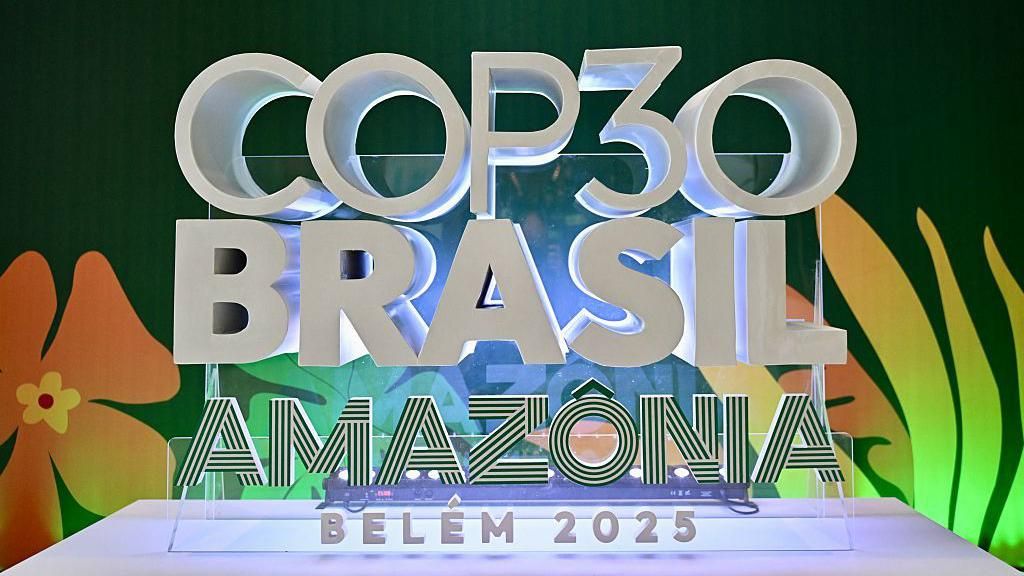
As the world grapples with escalating climate crises, global leaders are set to convene for COP30, the 30th annual United Nations climate conference. Scheduled from November 10 to 21 in Belém, Brazil, this summit marks a decade since the landmark Paris Agreement, which aimed to cap global temperature rises at 1.5°C above pre-industrial levels. The conference, officially known as the ‘Conference of the Parties,’ brings together nearly 200 nations to strategize on mitigating and adapting to climate change. However, the choice of Belém, located in the heart of the Amazon rainforest, has sparked logistical and environmental concerns, including deforestation for infrastructure and limited accommodations, potentially sidelining poorer nations. The summit faces additional challenges as global climate targets remain under strain, with only a third of countries submitting updated emission reduction plans. UN Secretary-General António Guterres has acknowledged that exceeding the 1.5°C target is now inevitable but remains hopeful for future corrective measures. Key discussion points at COP30 include the transition from fossil fuels, financial commitments to developing nations, renewable energy expansion, and the launch of the ‘Tropical Forests Forever Facility.’ The summit also grapples with the contentious stance of the Trump administration, which has rolled back U.S. climate commitments and criticized global climate efforts. Despite these hurdles, COP30 represents a pivotal moment for international collaboration, aiming to reinforce the commitments made in Paris and drive meaningful progress toward a sustainable future.