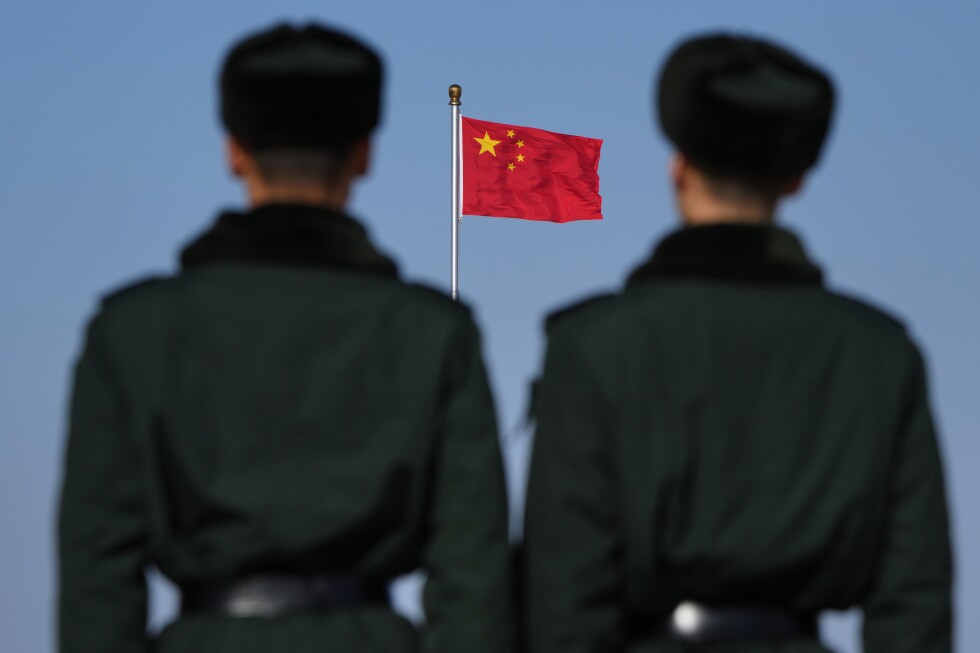
As military tensions escalated between the United States, Israel, and Iran, China maintained a characteristically measured diplomatic stance. Following initial hostilities, Beijing’s Foreign Ministry expressed “profound concern” while advocating for immediate ceasefire and renewed dialogue. Foreign Minister Wang Yi subsequently characterized the strikes as “unacceptable” while reinforcing calls for peaceful resolution through diplomatic channels.
This response pattern reflects China’s established approach to international conflicts—verbal condemnation without direct intervention. Analysts note Beijing’s strategic prioritization of long-term interests over immediate geopolitical engagement. Particularly significant is the anticipated state visit by U.S. President Donald Trump scheduled for early April, which Chinese leadership views as more consequential than Middle Eastern hostilities.
Despite China’s growing military capabilities—including joint exercises with Iran and its first overseas military base in Djibouti—experts confirm Beijing remains reluctant to project power beyond its immediate periphery. The country has demonstrated diplomatic ambition through mediating the 2023 Iran-Saudi Arabia rapprochement, but avoids military entanglements, viewing U.S. interventions in Afghanistan and Iraq as cautionary examples.
Energy security considerations further complicate China’s position. As Iran’s largest oil importer (approximately 1.4 million barrels daily, representing 13% of seaborne imports), China has nonetheless developed substantial resilience through diversified suppliers and strategic reserves. Analysts indicate potential disruptions would have marginal short-term impact, with Russian crude offering readily available alternatives.
More concerning to Beijing are potential disruptions to Strait of Hormuz transit routes and attacks on LNG facilities in Gulf states, as demonstrated by QatarEnergy’s production halt following recent attacks. While China possesses defense trade relationships with Iran, including missile technology transfer, experts unanimously dismiss possibilities of direct military assistance, citing Beijing’s overwhelming interest in avoiding confrontation with the United States and its allies.