A severe aviation crisis has emerged across the Middle East following recent military escalations, leaving tens of thousands of Australian travelers stranded globally. The closure of critical airspaces—including Iran, Iraq, Israel, Syria, Kuwait, and the United Arab Emirates—has triggered widespread flight cancellations and rerouting, disrupting major transit corridors between Australia and Europe.
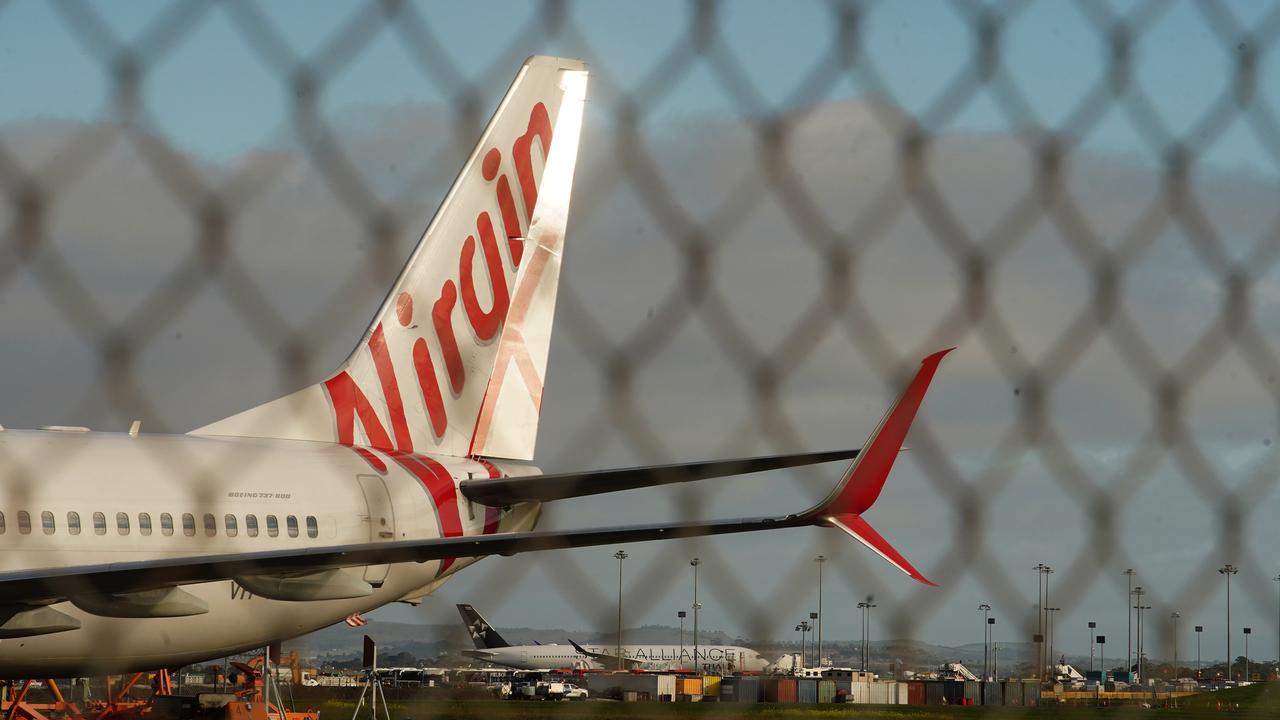
Virgin Australia cancelled six flights on Monday, with services from Sydney, Melbourne, Brisbane, Perth, and Doha heavily affected. The airline is offering flexible rebooking options, travel credits, and refunds for passengers scheduled to travel to Doha through March 6. While Qantas reported no immediate impact on its Singapore-London route, it has extended booking flexibility for travelers transiting through UAE, Qatar, Israel, Jordan, and Oman.
Major international carriers, including Emirates, Qatar Airways, British Airways, and Lufthansa, have suspended operations to and from the region. In response, the UAE government has committed to covering accommodation costs for affected passengers until normal operations resume.
The Australian government has issued stringent travel advisories, urging citizens to avoid travel to multiple Middle Eastern nations. Smartraveller, Australia’s official travel advisory service, has highlighted significant risks of further regional escalation and sudden border closures. The Department of Foreign Affairs and Trade specifically advises against travel to Bahrain, Israel, Kuwait, Lebanon, Qatar, UAE, Iran, Iraq, Palestine, Syria, and Yemen.
Travel insurance providers have clarified that most policies exclude coverage for incidents related to armed conflict or civil unrest. The Insurance Council of Australia emphasizes that traveling against official warnings may void insurance coverage entirely. Stranded passengers are advised to contact their airlines directly for rebooking or refunds.
Australian citizens and permanent residents in affected regions are encouraged to register with DFAT for direct updates and assistance.