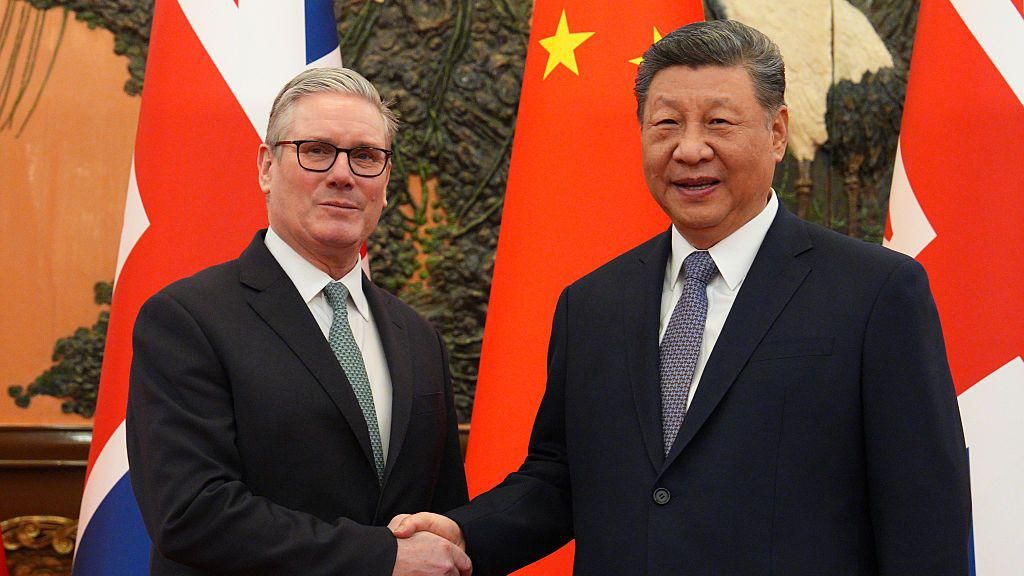
In a significant diplomatic shift, the United Kingdom and China have initiated a cautious recalibration of their economic relationship following Prime Minister Sir Keir Starmer’s landmark visit to Beijing—the first by a British leader since 2018. The breakthrough comes as both nations confront domestic economic pressures while navigating an increasingly volatile global trading landscape shaped by U.S. President Donald Trump’s aggressive tariff policies.
The high-stakes diplomatic engagement yielded substantive agreements across multiple sectors without achieving a comprehensive free trade deal. The most notable outcomes include China’s commitment to halve tariffs on Scotch whisky—a move projected to generate £250 million for the British economy over five years—and the establishment of visa-free travel for UK citizens visiting China for up to 30 days.
Commercial partnerships formed a cornerstone of the reset, with pharmaceutical giant AstraZeneca announcing its largest-ever Chinese investment of $15 billion over four years to expand research and manufacturing capabilities. Simultaneously, British energy disruptor Octopus Energy revealed its inaugural entry into China’s renewable market through a strategic partnership with local firm PCG Power to develop digital electricity trading platforms.
Prime Minister Starmer characterized the agreements as “pragmatic, hard-headed international engagement” that delivers tangible domestic benefits. The visit served dual purposes: showcasing British excellence in finance, pharmaceuticals, healthcare, and clean technology while allowing President Xi Jinping to position China as a reliable Western partner amid escalating U.S. trade tensions.
The diplomatic thaw extends beyond bilateral economics to include security cooperation, with both nations agreeing to collaborate on disrupting migrant-smuggling networks—a key priority for Starmer’s administration. This re-engagement represents a delicate balancing act for the UK, which must navigate its special relationship with Washington while pursuing independent economic opportunities with Beijing.
Analysts suggest the UK-China reset reflects broader patterns among middle powers—including recent visits by French, Canadian and Finnish leaders—seeking to diversify trade relationships and hedge against an increasingly unpredictable United States. As Western nations compete for Chinese investment and market access, this diplomatic breakthrough demonstrates how geopolitical recalibration can yield mutually advantageous economic outcomes.