European NATO members delivered a firm rebuke to U.S. President Donald Trump’s demand for military assistance in reopening the strategically vital Strait of Hormuz, with key allies distancing themselves from any potential NATO-led mission in the Persian Gulf. The coordinated pushback emerged Monday as Western capitals responded to Trump’s weekend appeal for naval support against Iran’s blockade of the critical oil transit route.
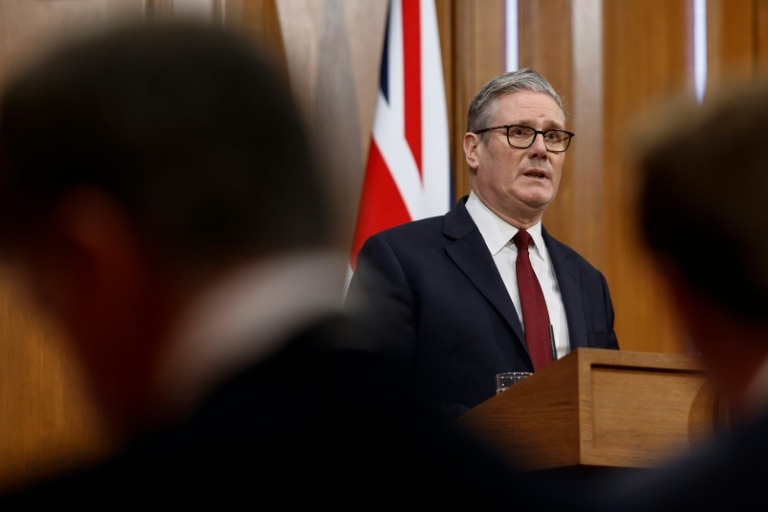
British Prime Minister Keir Starmer articulated a cautious approach, confirming that London was collaborating with international partners to develop a ‘viable collective plan’ to restore freedom of navigation while explicitly ruling out NATO involvement. ‘Let me be clear: that won’t be, and it’s never been envisioned to be, a NATO mission,’ Starmer emphasized during a Downing Street briefing, adding that Britain ‘will not be drawn into the wider war’ between the U.S., Israel, and Iran.
Germany’s leadership delivered even more definitive resistance, with Chancellor Friedrich Merz’s spokesman declaring the conflict ‘has nothing to do with NATO’ and emphasizing the alliance’s defensive territorial mandate. Defense Minister Boris Pistorius confirmed Berlin would provide ‘no military participation’ while offering diplomatic support to ensure safe passage through the strait.
The reluctance extended across the European continent, with Poland’s Foreign Minister Radoslaw Sikorski noting the president had already excluded Polish armed forces from any operation. Spain’s Defense Minister Margarita Robles stated Madrid was ‘absolutely not’ considering military contributions. The responses came after Japan and Australia similarly declined participation earlier Monday, with Canberra refusing to deploy naval vessels.
Despite the widespread resistance, some European diplomats suggested maintaining dialogue while emphasizing de-escalation. Danish Foreign Minister Lars Lokke Rasmussen described the situation as ‘very, very serious’ while advocating for an ‘open mind’ about potential contributions. Baltic representatives from Lithuania and Estonia indicated willingness to discuss options while stressing the need to understand U.S. objectives and operational details before committing to any action.
The geopolitical standoff has triggered significant economic consequences, with oil prices remaining above $100 per barrel as the conflict enters its third week, highlighting the strait’s critical importance to global energy markets. Trump had warned that refusal to participate would be ‘very bad for the future of NATO,’ though European leaders appeared unmoved by the threat as they prioritized diplomatic solutions over military escalation.