In a significant diplomatic breakthrough, Western nations have established a framework for Ukraine’s future security during a major Paris summit. Representatives from 35 countries, including 27 heads of state or government, convened for what became the largest gathering of the Coalition of the Willing to date.
The resulting agreement establishes multilayered security assurances that would activate following a ceasefire in the Russia-Ukraine conflict. Central to these guarantees is a US-led monitoring mechanism with European participation designed to oversee any future truce. Additionally, France and Britain have committed to deploying troops on Ukrainian territory post-ceasefire through a signed declaration of intent with Ukrainian leadership.
The Paris meeting also yielded plans for a permanent coordination cell involving the United States, Ukraine, and coalition partners to be established in the French capital. While the final communiqué omitted earlier draft language about direct US support for European forces in case of renewed Russian aggression, participants emphasized substantial progress in creating durable security structures.
French President Emmanuel Macron characterized the agreements as “robust security guarantees for a solid and lasting peace,” noting an “operational convergence” among allies. He revealed that France could potentially deploy “several thousand” troops to Ukraine after hostilities cease.
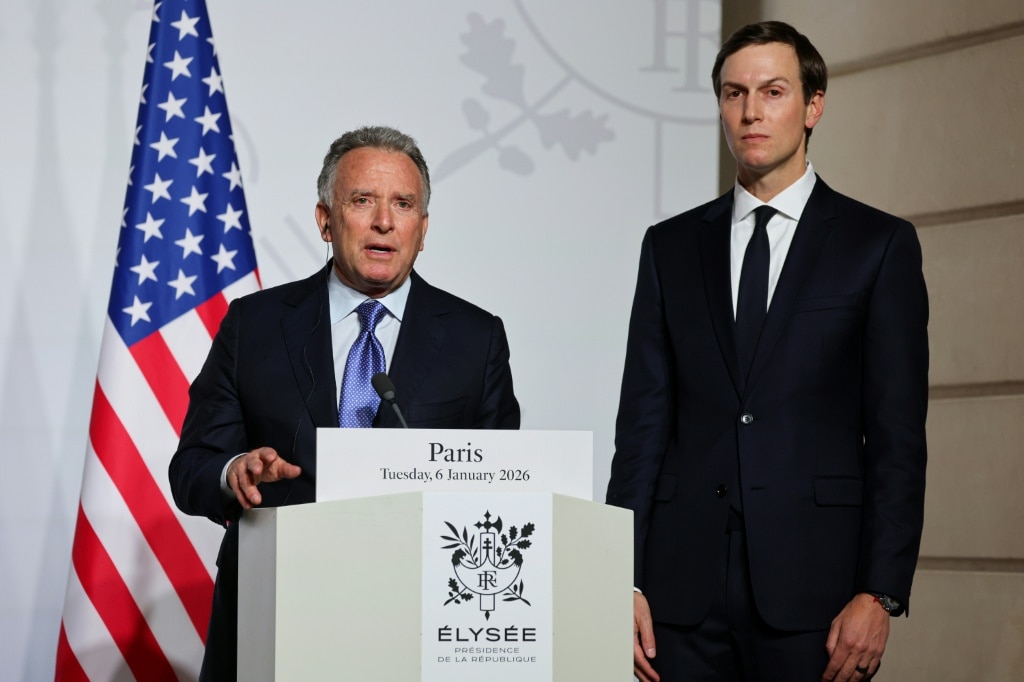
The negotiations occurred against a complex geopolitical backdrop, including recent US actions in Venezuela and controversial statements about Greenland that had created transatlantic tensions. Despite these challenges, US envoy Steve Witkoff reported “a lot of progress” in ensuring Ukraine’s long-term security, noting that territorial compromises would represent the most “critical issue” in future negotiations.
Ukrainian President Volodymyr Zelensky expressed satisfaction with the concrete outcomes, particularly highlighting the joint coalition declaration and trilateral agreement with France and Britain. He concurred that territorial questions remain the primary unresolved matter, referencing Russian demands regarding the Donbas region.
British Prime Minister Keir Starmer outlined post-ceasefire plans including military hubs across Ukraine and protected facilities for weapons storage. He cautioned that peace would require compromises from Russian leadership, noting that recent Russian actions have only “hardened our resolve.”
The security architecture acknowledges political realities, with German Chancellor Friedrich Merz suggesting German forces could participate in ceasefire monitoring from neighboring countries rather than Ukrainian territory. All participants acknowledged that imperfect compromises would be necessary, with Merz noting “we will not achieve textbook diplomatic solutions.”