In a radical departure from conventional diplomacy, former U.S. President Donald Trump has initiated what analysts are calling the 21st century’s most unconventional geopolitical experiment. Through the establishment of the Board of Peace—which convened its inaugural summit on February 19, 2026—Trump has fundamentally transformed the approach to conflict resolution in the Gaza Strip.
The initiative treats Gaza not as a political entity pursuing sovereignty but as a distressed strategic asset requiring international restructuring. Trump serves as permanent chairman of this board, wielding decisive control over more than $5 billion in reconstruction funds pledged by donor nations. This corporate-style approach reflects his trademark governance philosophy: transactional, skeptical of traditional multilateral institutions, and focused on measurable outcomes.
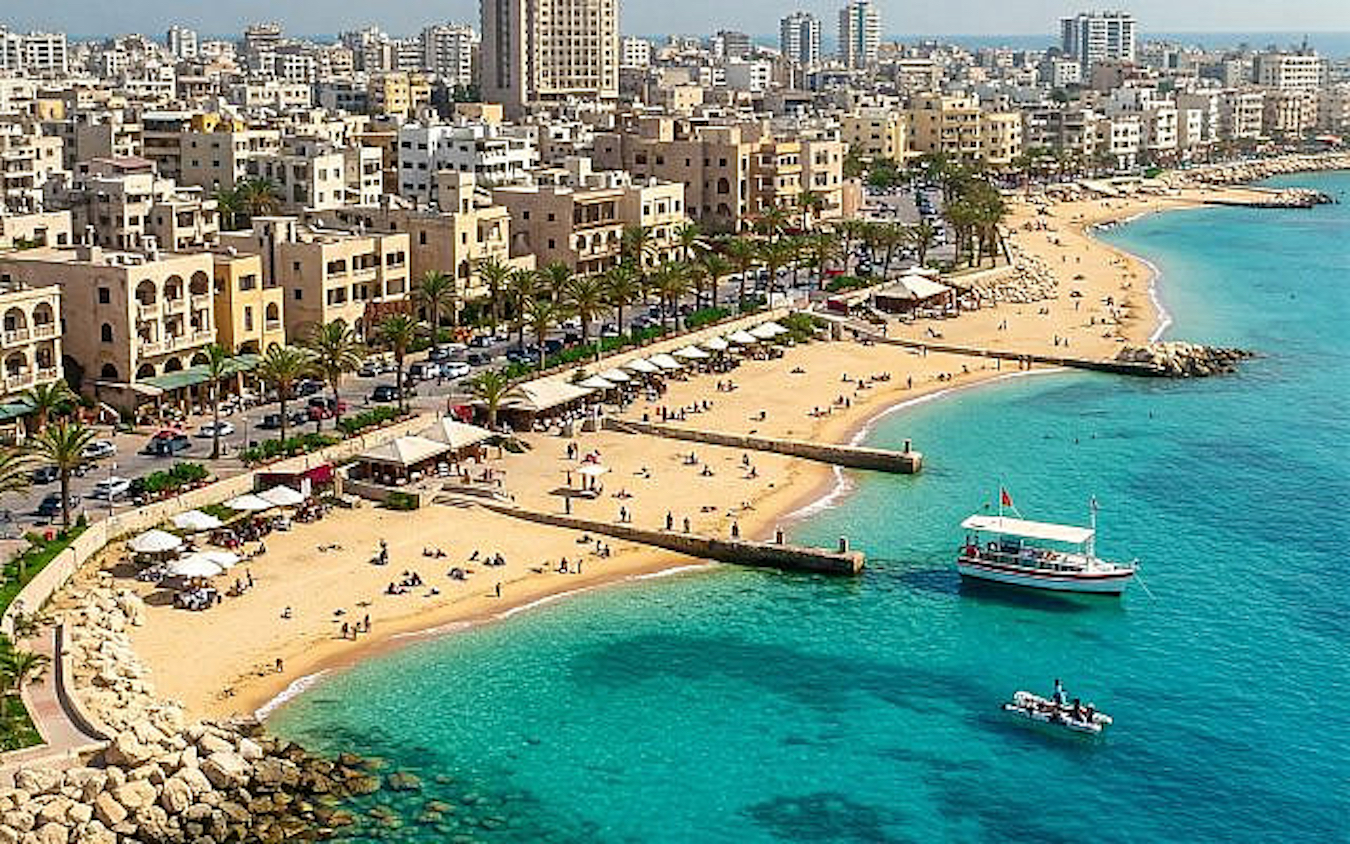
Beyond the ambitious vision of a ‘New Gaza’ modeled after Dubai’s skyline, the initiative represents a strategic effort to marginalize the United Nations and replace it with a coalition of selectively admitted states willing to pay for influence. Indonesia’s participation under President Prabowo Subianto provides crucial legitimacy, driven by pragmatic calculations including trade negotiations and expanded peacekeeping roles.
This model introduces the concept of ‘privatized sovereignty,’ where economic stabilization compensates for diminished political autonomy. Gaza functions as a laboratory for what analysts term ‘Pax Silica’—an emerging world order driven less by ideological blocs than by technological supply chains and capital flows.
The governance structure includes a National Committee for the Administration of Gaza staffed by Palestinian technocrats, though actual authority resides with those controlling reconstruction budgets and the International Stabilization Force. This approach substitutes self-determination with economic management, operating on the assumption that prosperity—through employment, modern housing, and infrastructure—will diminish ideological resistance.
Critics describe the result as a ‘gilded enclosure’: secure and modernized yet closely monitored. The initiative challenges the post-1945 multilateral order, creating a parallel diplomatic structure where influence must be purchased through capital or troop contributions. This pay-to-play model divides the international community between states seeking tangible benefits and those committed to traditional frameworks of international law.
The long-term implications are profound. Should Gaza transform into a thriving Mediterranean commercial hub, Trump’s corporate approach to geopolitics could gain validation. However, if underlying grievances persist despite infrastructure development, the initiative may be remembered as an audacious but ultimately costly restructuring venture that redefined sovereignty as a conditional asset subject to performance metrics set by those commanding capital and force.