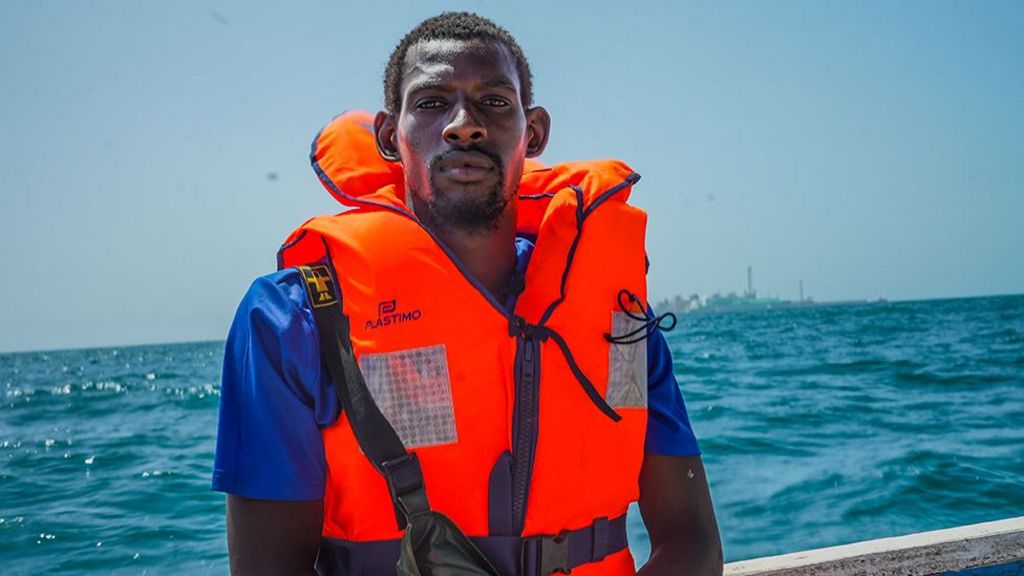
In Senegal’s northern city of Saint-Louis, traditional fishermen like Gora Fall face a daily battle between hope and despair. Once a thriving fishing hub, Saint-Louis now grapples with the economic and environmental repercussions of the Greater Tortue Ahmeyim (GTA) gas project, a joint venture led by British multinational BP, alongside Kosmos Energy and national oil companies of Senegal and Mauritania. The project, which began operations in 2017, has imposed a 500-meter exclusion zone around its offshore platform, severely limiting access to rich fishing grounds. For Fall and many others, this has meant dwindling catches and a struggle to make ends meet. ‘Before, we worked to live, but now we just work to survive,’ laments the 25-year-old fisherman. The restrictions have compounded existing challenges, including competition from international trawlers and rising costs. Women in the fish processing industry, traditionally a female-dominated sector, are also feeling the pinch. Diamol Sène, a mother of 10, notes that many women have lost their jobs as fish become scarcer and more expensive. BP defends its practices, citing safety zones as standard procedure and emphasizing its commitment to responsible operations. However, promises to build artificial reefs as compensation have yet to materialize, leaving fishermen disillusioned. The project has also raised environmental concerns, particularly after a gas leak in February 2025, which BP downplayed as ‘negligible.’ Despite government assurances of economic benefits, the local fishing community remains skeptical, accusing authorities of prioritizing corporate interests over their livelihoods. As fishermen like Fall consider abandoning their centuries-old trade, the future of Saint-Louis’ fishing industry hangs in the balance.
‘We only have the sea to live on’ – Senegal’s fishermen blame gas plant for dwindling catch