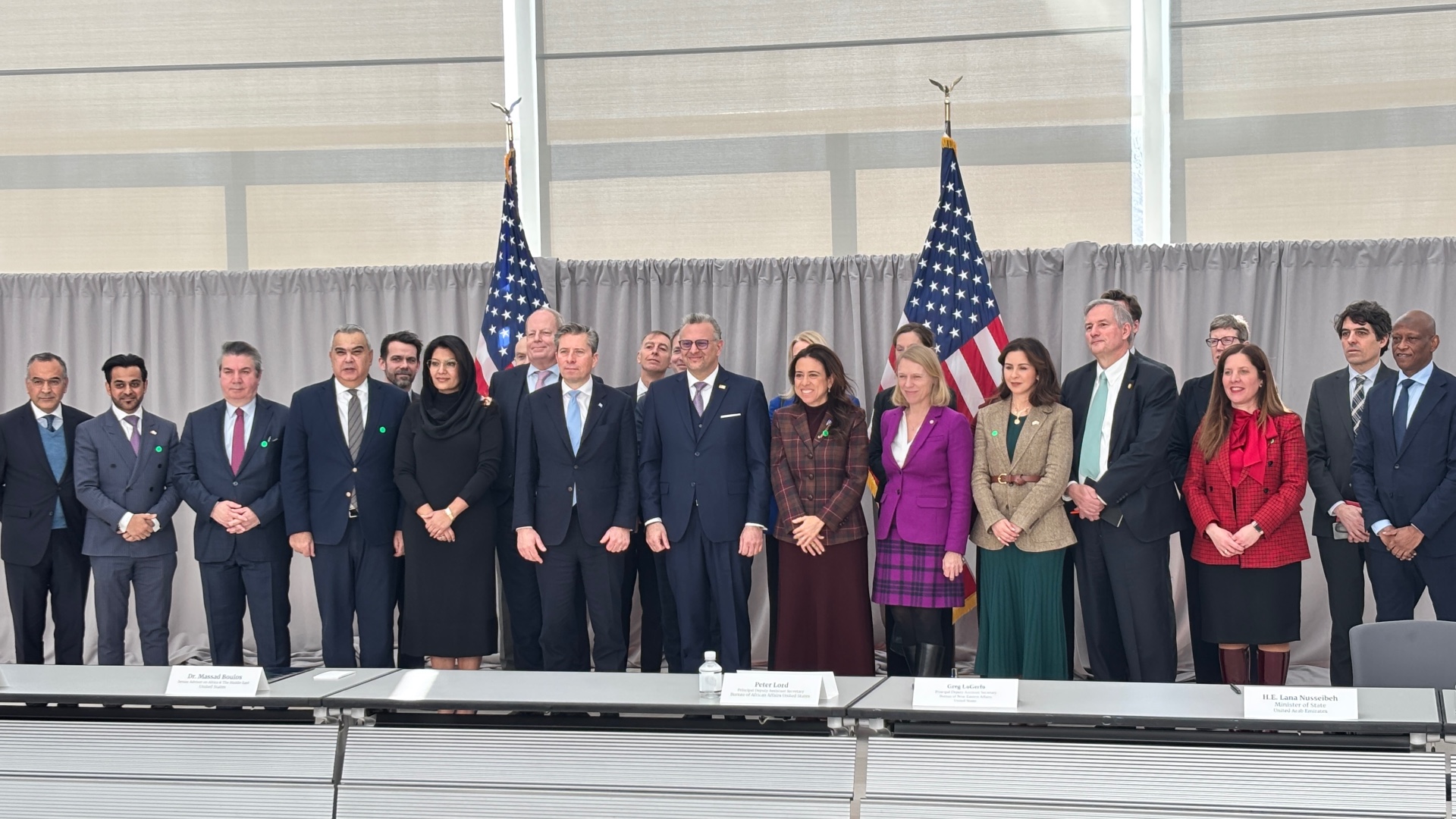
The United States has finalized the text of a comprehensive peace proposal aimed at resolving Sudan’s nearly three-year civil war, with senior presidential advisor Massad Boulos announcing the plan has secured approval from the Quad nations coalition. The diplomatic bloc, comprising the US, Saudi Arabia, the UAE, and Egypt, has been developing this framework for at least three months as a mutually acceptable solution for both the Sudanese army and the paramilitary Rapid Support Forces (RSF).
Boulos revealed the five-pillar structure during a humanitarian fundraising event, outlining components addressing immediate crisis response, civilian protection, ceasefire transition, political processes toward civilian governance, and post-conflict reconstruction funding. While expressing encouragement from engagements with military leader General Abdel Fattah al-Burhan, Boulos declined to identify specific implementation obstacles despite reporter inquiries.
The diplomatic landscape reveals significant complexities, with Sudan’s ambassador to the US previously rejecting UAE involvement in mediation efforts due to Abu Dhabi’s alleged support for the RSF. This tension surfaced despite the UAE’s announcement of a $500 million aid package at the same event where Washington pledged an additional $200 million toward a projected $1.5 billion total humanitarian commitment.
The peace process architecture involves multiple international layers, with plans for UN Security Council endorsement followed by review through President Trump’s Board of Peace—a mechanism originally designed for Gaza conflicts. Boulos characterized the two bodies as “complementary” rather than competitive, emphasizing the Board’s enthusiastic engagement capacity.
Humanitarian urgency underscores these diplomatic efforts, with UN officials reporting over 21 million Sudanese facing acute shortages amid what the US Under Secretary of State termed “the world’s worst humanitarian crisis.” With approximately 10 million internally displaced and four million refugees, the UN targets visible aid progress by Ramadan’s commencement in mid-February.