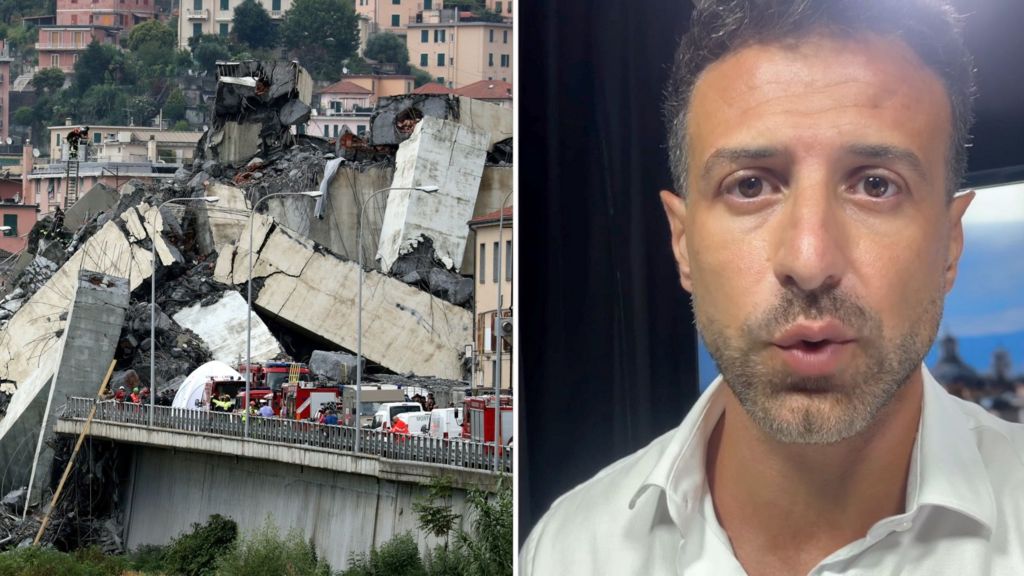
Eight years after one of Italy’s deadliest modern infrastructure failures, the high-profile criminal trial over the 2018 collapse of Genoa’s Morandi Bridge is reaching its final stage. The tragic incident, which claimed 43 lives when a 200-meter span of the busy highway bridge crumbled onto residential and industrial areas below during a heavy rainstorm, has gripped the nation for years, sparking fierce debates over infrastructure maintenance, corporate accountability, and regulatory oversight.
At the heart of the proceeding held in Genoa’s courthouse are more than 50 defendants facing a range of charges, including manslaughter, negligence, and failure to maintain critical infrastructure. The accused group spans a wide cross-section of stakeholders: senior executives from the companies responsible for the bridge’s design, construction, and decades of upkeep, as well as former infrastructure agency officials and public works managers who oversaw safety inspections and approval processes for the aging structure.
The collapse immediately raised urgent questions about the state of Italy’s aging transportation network, with critics pointing to decades of underinvestment in maintenance and alleged conflicts of interest between private concessionaires and public regulatory bodies. Over the course of the trial, prosecutors have presented thousands of pages of evidence, including engineering reports, internal corporate communications, and testimonies from survivors and expert witnesses, arguing that the disaster was preventable, caused by long-known structural flaws that were left unaddressed by responsible parties.
As the court prepares to deliver its verdict, families of the victims have pushed for full accountability, saying that justice for the 43 lives lost is the only way to prevent similar tragedies from occurring in the future. The trial’s outcome is also widely expected to set new precedents for infrastructure safety regulations and corporate liability across Italy, prompting broader reforms to how the country inspects and maintains its network of aging bridges and highways.