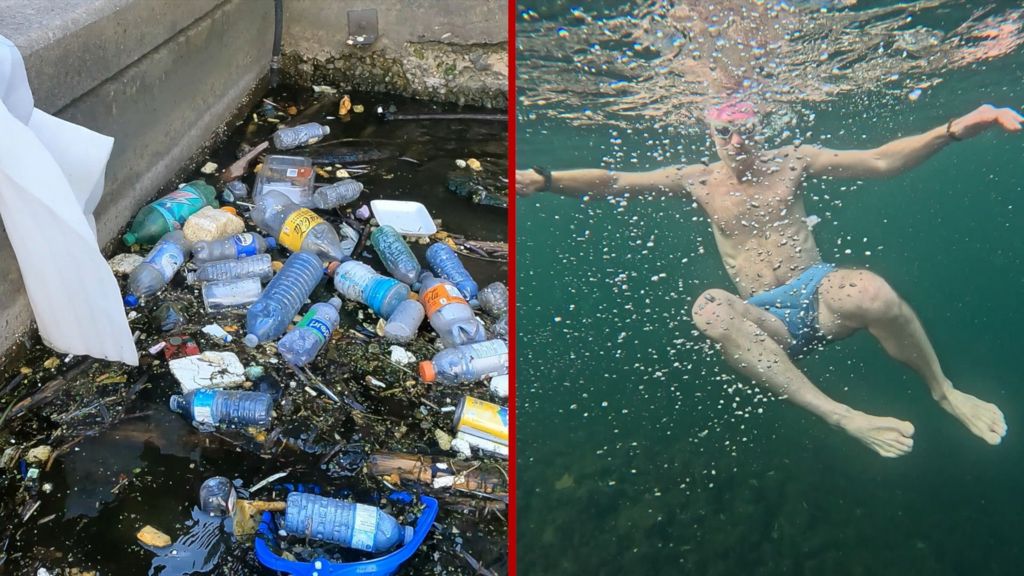
In a remarkable environmental turnaround, a dedicated university professor and his team of students have successfully revitalized Toronto’s severely polluted Peter Street Basin after a three-year cleanup initiative. The project, which began as an academic exercise, has yielded tangible ecological results, transforming what was once a trash-filled urban eyesore into a swimmable waterfront area.
The restoration effort involved systematic removal of accumulated debris and pollutants that had plagued the basin for decades. Through coordinated clean-up drives and environmental rehabilitation techniques, the academic team addressed both surface-level waste and underlying water quality issues. Their work demonstrates how targeted intervention can reverse environmental degradation in urban water systems.
This lakeside revival represents more than just aesthetic improvement—it marks a significant achievement in urban ecological restoration. The project’s success has drawn attention from city officials and environmental organizations, potentially serving as a model for similar rehabilitation efforts in other urban waterways. The transformation from contaminated basin to functional aquatic space highlights the powerful impact of community-academic partnerships in addressing environmental challenges.
The team’s approach combined scientific methodology with practical fieldwork, creating valuable learning experiences for students while delivering measurable environmental benefits to the community. Their achievement underscores the importance of sustained effort in environmental conservation and the potential for academic institutions to drive meaningful urban improvement projects.