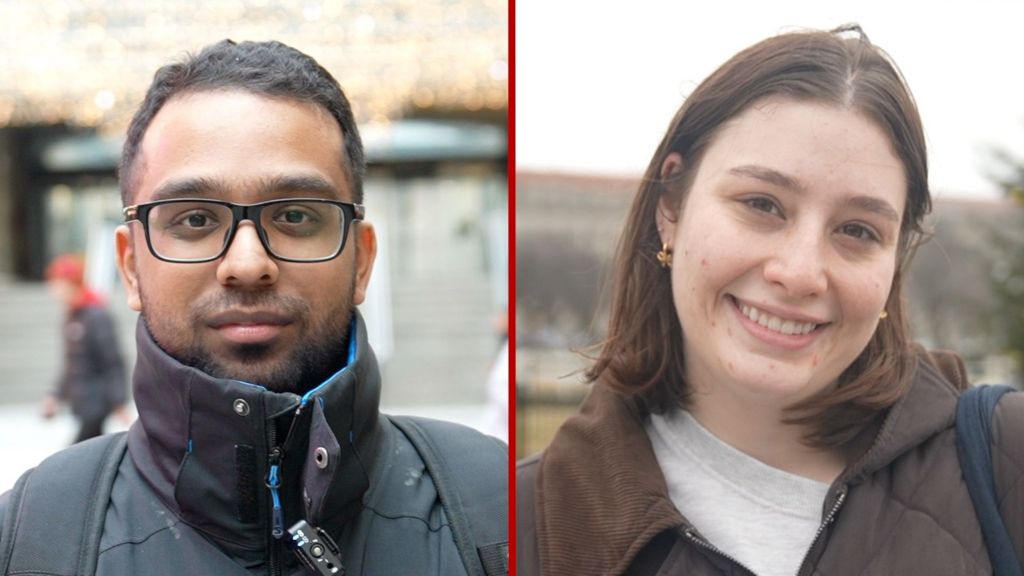
A recent BBC street interview project in Toronto and Washington D.C. has revealed significant public skepticism regarding the potential implementation of an Australian-style social media ban for users under 16 in North America. The interviews captured diverse perspectives from Canadian and American citizens who expressed reservations about the practicality and effectiveness of such age-restrictive measures in their countries.
The Australian proposal, which has sparked international debate, seeks to prohibit children under 16 from accessing social media platforms through stringent age verification requirements. However, North American respondents highlighted numerous implementation challenges, including technological bypass methods, privacy concerns surrounding age verification processes, and the practical difficulties of enforcement across diverse digital platforms.
Many interviewees emphasized alternative approaches to youth digital safety, suggesting that comprehensive digital literacy education, parental guidance programs, and platform-level safety features might prove more effective than outright bans. The general consensus indicated that while protecting children from online harms remains a priority, restrictive age-based bans might create more problems than solutions in the North American context.
The research reveals a growing transatlantic dialogue about children’s digital rights and safety, with different regions exploring varied regulatory approaches to address the complex challenges of underage social media use in an increasingly connected world.