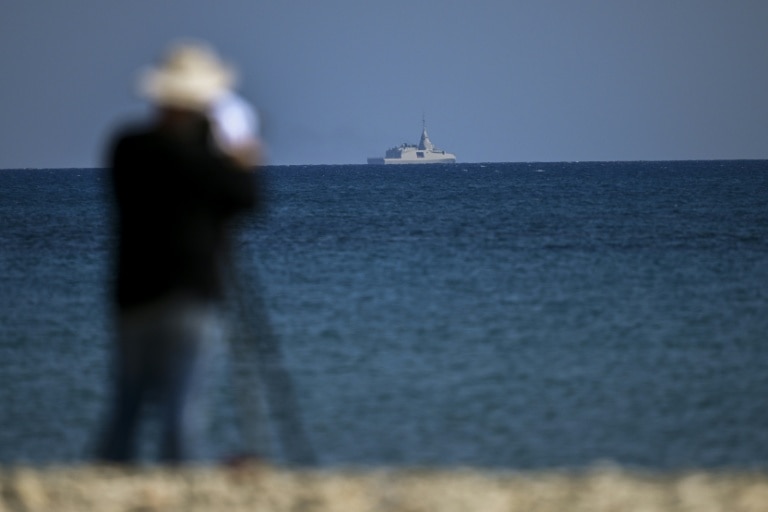
European powers are cautiously escalating military deployments to the Eastern Mediterranean as the Israel-Iran conflict expands regionally, with multiple nations emphasizing strictly defensive postures while avoiding direct combat involvement. The collective response follows recent attacks on Cyprus and Western interests in the Gulf, creating a complex security challenge for EU members.
Britain has dispatched HMS Dragon, a warship equipped with rapid-fire Sea Viper missile systems, alongside Wildcat helicopters carrying anti-drone Martlet missiles. This deployment complements four Typhoon fighter jets sent to Qatar, though Prime Minister Keir Starmer initially resisted US requests to utilize British bases for offensive operations, drawing criticism from former President Donald Trump.
France has committed its nuclear-powered aircraft carrier Charles de Gaulle, carrying 20 Rafale fighter jets and advanced radar aircraft, to the region. Additional air defense units are being deployed to Cyprus, building on previous successful engagements by frigate Languedoc against Huthi rebel drones in the Red Sea. Paris has permitted US support aircraft to use Istres air base with strict guarantees against offensive operations.
Greece has contributed two frigates and four F-16 fighter jets to Cyprus while allowing US access to its Souda Bay base in Crete. Italy plans to send naval assets alongside France, the Netherlands and Spain, plus anti-drone and missile defense systems to Gulf partners. Defense Minister Guido Crosetto emphasized that US aircraft using Italian bases would be limited to logistical support under existing agreements.
Portugal authorized conditional use of its Lajes base in the Azores for defensive or retaliatory operations exclusively targeting military objectives. Spain, despite Prime Minister Pedro Sanchez’s vocal opposition to the conflict and refusal to permit US base access, will deploy its advanced frigate Cristobal Colon to provide aerial defense and potential civilian evacuation support around Cyprus.
The coordinated but carefully constrained European response reflects balancing act between supporting allies and avoiding direct entry into the escalating Middle East conflict, with all participating nations explicitly characterizing their contributions as defensive measures.