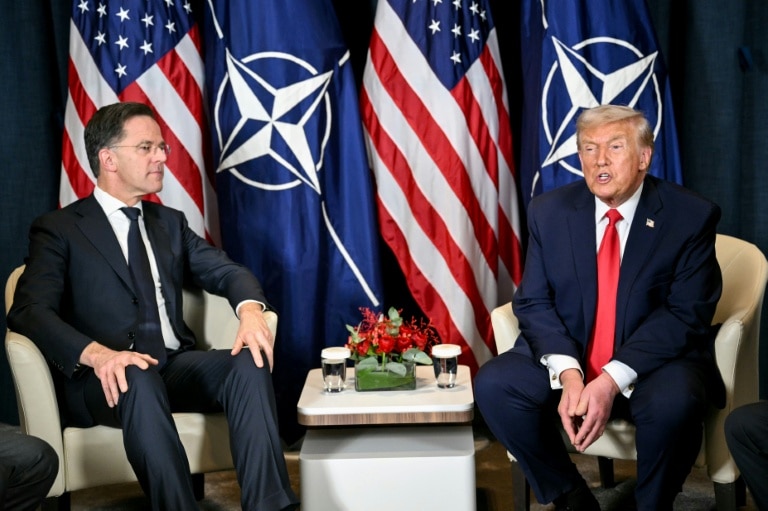
European leaders convened in Brussels for an emergency summit on Thursday, expressing measured relief following U.S. President Donald Trump’s unexpected reversal on his territorial ambitions regarding Greenland. The dramatic shift in position emerged after crucial discussions between Trump and NATO Secretary General Mark Rutte during the Davos forum, temporarily easing what had become the most severe crisis in transatlantic relations in recent history.
The diplomatic breakthrough came after Trump had threatened both military action to acquire the autonomous Danish territory and punitive tariffs against European allies. Following his meeting with Rutte, the president announced he had secured a ‘framework’ agreement that satisfied his objectives, though specific details remained notably scarce. According to sources familiar with the negotiations, the United States and Denmark will renegotiate their 1951 defense pact concerning Greenland, potentially granting Washington enhanced strategic access to the Arctic region.
European diplomats characterized the development as a ‘welcome path forward’ while maintaining sober recognition of the fundamentally altered nature of transatlantic relations. ‘Trump crossed the Rubicon. He might do it again. There is no coming back to what it was,’ cautioned one senior diplomat, emphasizing the necessity for European nations to develop contingency plans for future crises.
The resolution appeared to stem from multiple factors, including European unity in the face of American pressure, domestic political considerations within the United States, and concerning market reactions. German Chancellor Friedrich Merz acknowledged the positive development while simultaneously warning that the international order based on legal frameworks had suffered significant damage, entering an era of ‘great power politics.’
Despite the temporary de-escalation, European leaders remain acutely aware that challenges persist beyond the Greenland issue. The continent continues to navigate security dependencies, with increased defense spending aimed at reducing reliance on American protection while still requiring U.S. cooperation regarding Ukraine and Russian deterrence. As one diplomat summarized the prevailing sentiment: ‘We need to maintain our unity, solidarity, and vigilance’ in anticipation of future surprises from the unpredictable American administration.