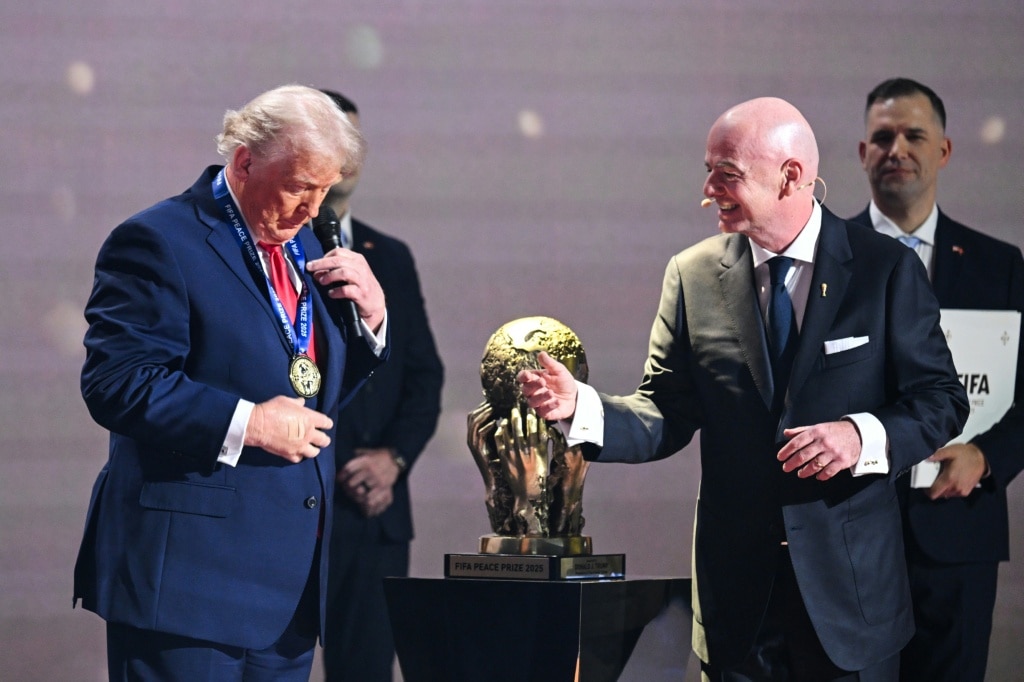
With precisely 100 days remaining until the kickoff of the unprecedented 48-team FIFA World Cup 2026, geopolitical conflicts and domestic policy controversies are threatening to overshadow the global football spectacle. The tournament, set to unfold across the United States, Canada, and Mexico, faces mounting challenges as international relations deteriorate under the current U.S. administration.
The recent aerial assault on Iran resulting in the death of Supreme Leader Ayatollah Ali Khamenei has triggered immediate repercussions in the sporting world. Mehdi Taj, head of the Iranian Football Federation, has indicated potential boycott considerations, stating that his nation “cannot look forward to the World Cup with hope” amidst ongoing hostilities.
Compounding these international tensions, the U.S. immigration crackdown has created significant barriers for prospective attendees. The visa freeze implemented in mid-January affects citizens from 75 countries, including four World Cup-qualified nations: Iran, Haiti, Senegal, and Ivory Coast. While the White House maintains that tourist visas remain accessible for ticket holders through expedited appointments, widespread apprehension persists regarding border treatment and entry guarantees.
Domestically, heightened Immigration and Customs Enforcement (ICE) operations have amplified concerns among potential visitors. The fatalities of two U.S. citizens during recent ICE operations in Minneapolis have exacerbated fears that legally compliant fans might face targeting based on ethnic appearance or linguistic characteristics.
Julien Adonis Kouadio, president of the official Ivorian supporters’ committee, articulated these anxieties: “With this system, we risk not feeling like we’re celebrating football. We must not impose too many restrictions that prevent people from letting loose.”
Simultaneously, security conditions in host Mexico have deteriorated following military operations against drug cartels. Guadalajara, scheduled to host four matches, experienced a violent weekend resulting in 74 fatalities, casting doubt on safety assurances despite President Claudia Sheinbaum’s insistence of “no risk” to attendees.
FIFA President Gianni Infantino’s centenary countdown message notably avoided direct conflict references, instead emphasizing the tournament’s unifying potential during “this particular period of time.” However, with plummeting U.S. tourism rates and seven million soccer fans anticipated to revitalize the hospitality sector, the convergence of geopolitical strife and policy controversies presents unprecedented challenges for the quadrennial event.