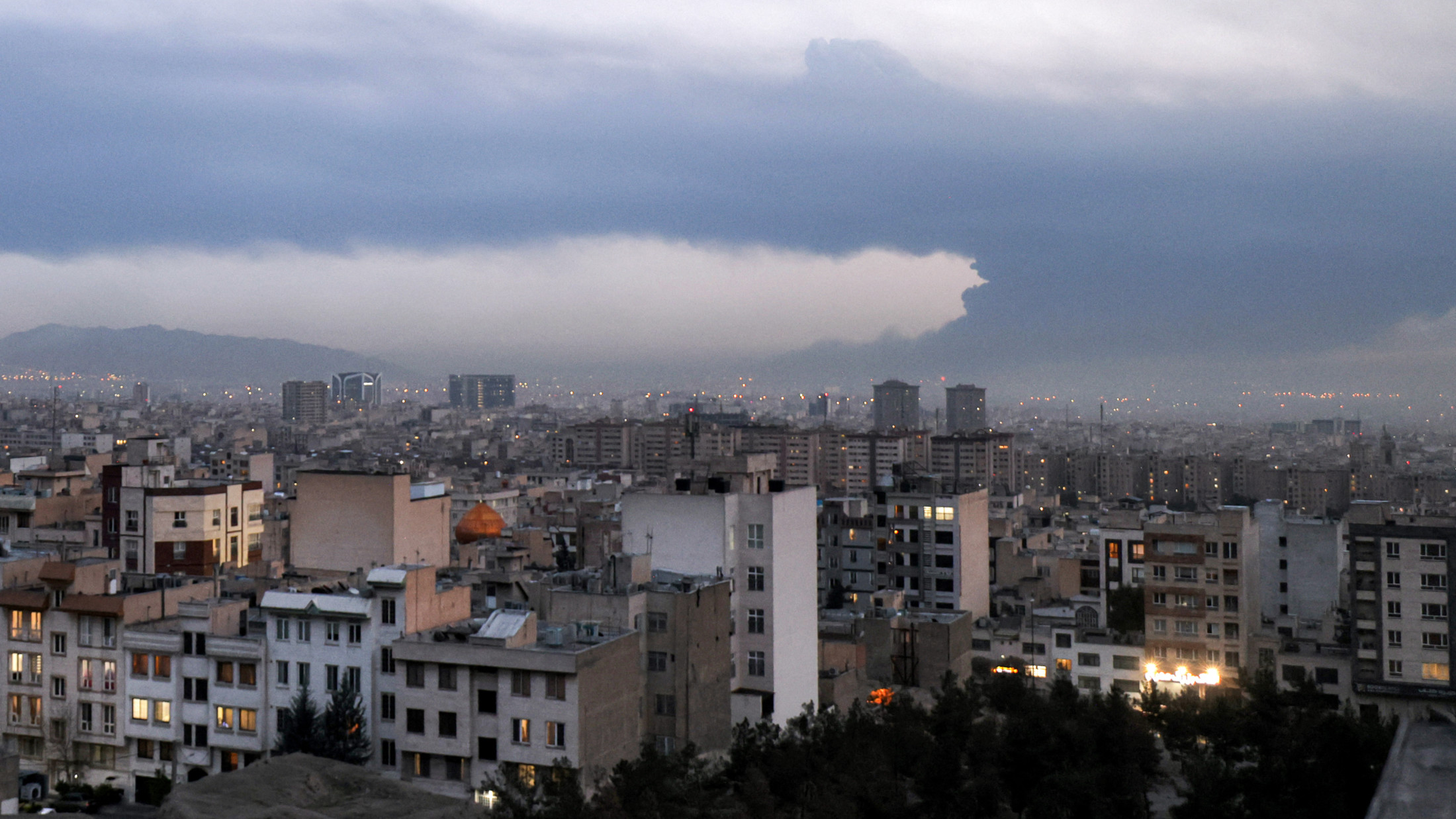
The escalating US-Israeli military campaign against Iran is sending strategic shockwaves across the Maghreb region, where North African powers Algeria and Morocco are pursuing fundamentally divergent approaches that reflect their deep-rooted regional rivalry and competing geopolitical ambitions.
This geopolitical divergence manifests most clearly in their contrasting responses to the Middle Eastern conflict. Morocco has decisively aligned itself with Washington and Tel Aviv, swiftly condemning Iranian retaliatory actions while remaining conspicuously silent on the initial US-Israeli strikes. This posture reinforces Rabat’s strategic partnership with Israel formalized through the 2020 Abraham Accords, through which Morocco gained crucial US recognition of its claim to Western Sahara in exchange for normalization with Israel.
Conversely, Algeria maintains a more nuanced diplomatic position, attempting to balance principle with pragmatism. While traditionally allied with Iran, Algiers has carefully avoided direct condemnation of the US-Israeli campaign while expressing solidarity with Arab nations targeted by Iranian strikes. This delicate balancing act reflects Algeria’s attempt to preserve relationships without compromising its traditional non-alignment principles.
The Western Sahara dispute remains the central prism through which both nations view the regional crisis. Morocco perceives the conflict as an opportunity to strengthen its international position regarding the disputed territory, potentially seeking to have the Polisario Front designated as a terrorist organization. Algeria, which supports Sahrawi self-determination, views the situation with heightened caution, concerned that Rabat might exploit the crisis to advance its territorial claims, particularly during the remaining tenure of the Trump administration.
Economic dimensions further highlight their divergent situations. Morocco faces immediate economic pressure from rising fuel prices and potential disruption to maritime trade, threatening its socio-economic stability. Algeria, as a major energy exporter, stands to benefit substantially from increased hydrocarbon prices, potentially strengthening its financial position and leverage in ongoing trade negotiations with the European Union.
The crisis has also exposed the tension between official policies and public sentiment across the region. While both governments maintain firm control over their political landscapes, widespread public opposition to the US-Israeli campaign exists throughout North Africa, creating potential domestic challenges for regimes that have strongly aligned with Western powers.
As the conflict continues with no clear resolution, the Maghreb finds itself not merely as a spectator but as an active arena where regional balances are being recalibrated. The outcome may accelerate existing geopolitical trends, potentially reshaping alliances, economic relationships, and the decades-old struggle over Western Sahara in ways that will long outlast the current Middle Eastern crisis.