The Middle East conflict entered a dangerous new phase on March 10, 2026, with multiple fronts witnessing significant military escalation and consequential global economic repercussions.
Maritime security agencies reported an unidentified projectile striking a commercial container vessel near the United Arab Emirates coastline. While crew safety was confirmed, the incident raised alarms about shipping security in critical Gulf waters. This development coincided with Iran’s Revolutionary Guards launching what state media described as “the most intense and heaviest” missile barrage since the conflict’s inception, targeting multiple Israeli population centers including Tel Aviv, Haifa, and areas referred to as “West Jerusalem.”
Regional defenses were simultaneously activated as Saudi Arabian forces intercepted six ballistic missiles directed toward Prince Sultan Air Base, plus additional projectiles and fifteen drones aimed at energy infrastructure. In a significant escalation, Iranian news agencies reported missile strikes targeting a United States military installation in Kuwait, though Kuwaiti authorities remained silent on these claims.
The United States military responded with force, destroying sixteen Iranian mine-laying vessels near the strategically vital Strait of Hormuz. This action followed explicit warnings from President Donald Trump against Iranian attempts to mine the crucial shipping channel.
Global energy markets reacted violently to the developments. Brent Crude and West Texas Intermediate both declined substantially following reports that the International Energy Agency proposed its largest-ever strategic petroleum reserve release to stabilize prices. Market volatility was further exacerbated when the U.S. Energy Secretary’s social media account posted and subsequently deleted claims about American tanker escorts through the Strait of Hormuz.
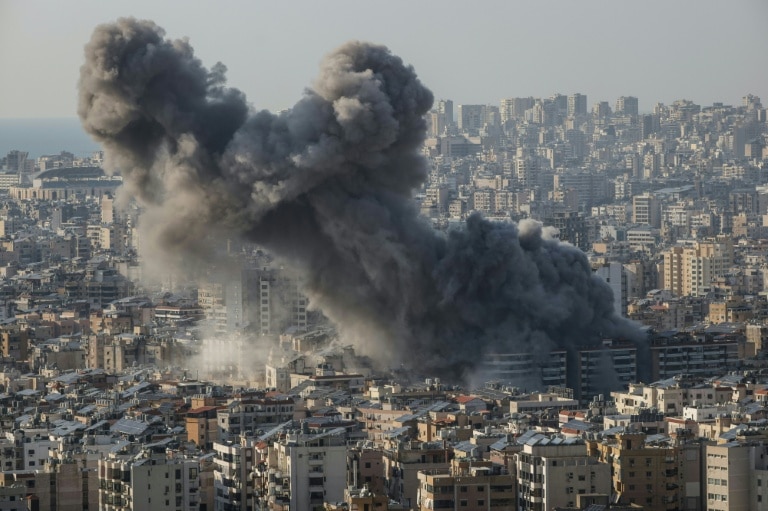
Humanitarian dimensions expanded as Lebanese authorities reported nearly 760,000 displaced persons following fresh Israeli strikes on Beirut’s southern suburbs and southern Lebanon. The Pentagon disclosed approximately 140 U.S. military personnel have been wounded in attacks, supplementing previously reported casualties.
Diplomatic tensions intensified with Iran accusing Israel of killing four diplomats in a Beirut hotel strike, labeling it a “terrorist attack.” Israel maintained it targeted “key commanders” of Iran’s Quds Force. Meanwhile, Iran’s parliamentary speaker explicitly rejected ceasefire possibilities, declaring that the United States and Israel must be “taught a lesson.”
Additional developments included cybersecurity concerns as Israel reported Iranian breaches into security cameras, Iran announcing arrests of alleged spies, and the temporary shutdown of one of the world’s largest oil refineries in the UAE following drone attacks. The conflict also prompted Ukrainian drone experts to assist Gulf defenses and saw additional members of Iran’s women’s football team seek asylum abroad after political protests.