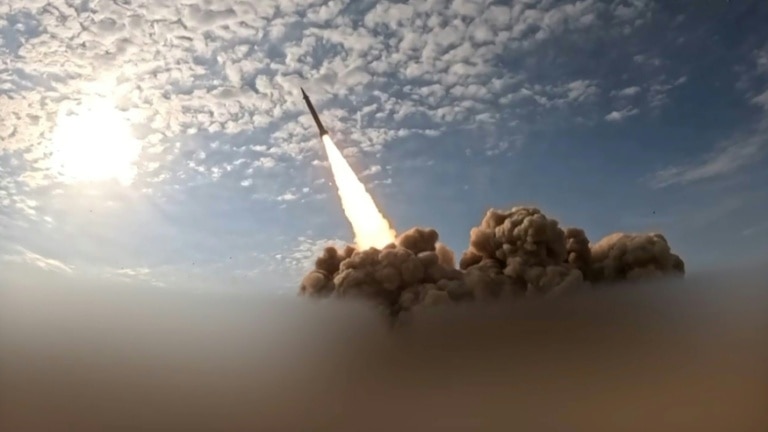
The Middle East conflict has entered a perilous new phase with Iran issuing explicit warnings targeting US military personnel and regional shipping, while diplomatic channels show signs of activation. The Iranian Revolutionary Guards declared that hotels housing American soldiers throughout the region are now considered legitimate military targets, with armed forces spokesman Abolfazl Shekarchi stating on state television that ‘when all American forces go into a hotel, from our perspective that hotel becomes American.’
Simultaneously, Iran has enforced a naval blockade in the strategic Strait of Hormuz, with Revolutionary Guards turning back three vessels attempting transit and declaring the waterway closed to ships traveling to or from ports linked to ‘Zionist-American enemies.’ This maritime escalation coincides with reports of direct US-Iran negotiations being prepared, with German Foreign Minister Johann Wadephul revealing that talks are ‘expected to take place in Pakistan very soon.’
The conflict’s regional impact continues to expand with Kuwait’s main commercial port at Shuwaikh sustaining damage from a dawn drone attack, though authorities reported no casualties. Saudi Arabia’s defense ministry confirmed intercepting and destroying four drones over the kingdom’s eastern region, while Ukraine and Saudi Arabia signed a significant air defense agreement during President Zelensky’s visit, aimed at countering Iranian drone capabilities.
Cultural casualties mount as well, with Tehran city council’s cultural heritage committee head Ahmad Alavi reporting that US and Israeli strikes have damaged at least 120 museums and historical sites across Iran since the conflict began. The UN Security Council prepared for closed-door consultations requested by Russia to discuss attacks on Iranian civilian infrastructure, including educational and healthcare facilities.
Meanwhile, G7 allies pressed US Secretary of State Marco Rubio for clarity on American strategy toward Iran during talks outside Paris, with UK Foreign Minister Yvette Cooper urging a ‘swift resolution to this conflict that restores regional stability.’ The conflict’s expansion continued as Lebanese media reported Israeli strikes hitting Beirut’s southern suburbs early Friday, with AFP correspondents documenting multiple explosions in the Hezbollah stronghold.