The Middle East conflict has entered a perilous new phase with Iran’s military issuing a stark warning that any hotel housing US soldiers in the region would be considered a legitimate target. Armed Forces spokesman Abolfazl Shekarchi declared on state television that facilities accommodating American forces effectively become American installations from Iran’s perspective.
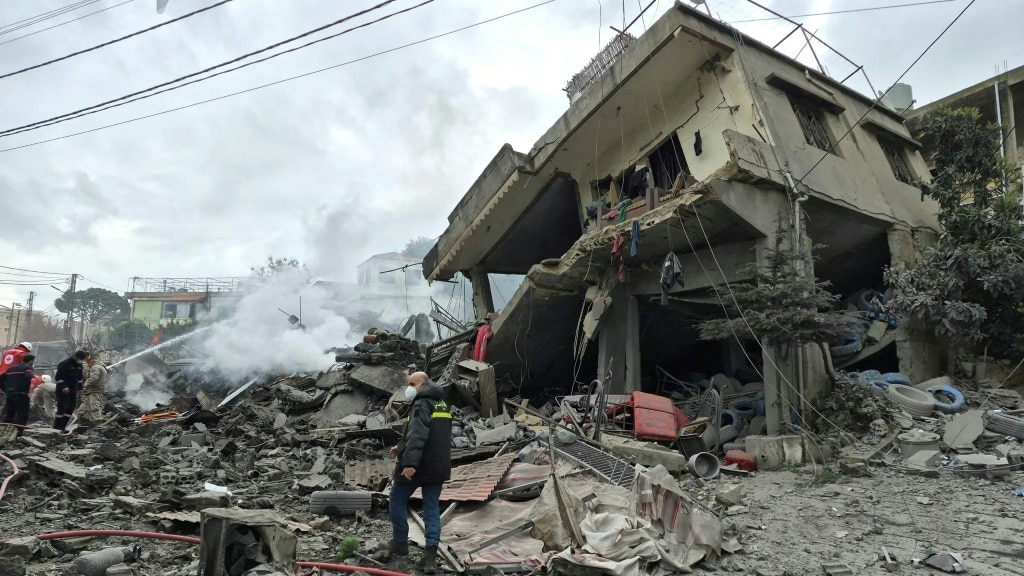
Regional tensions intensified as Kuwait’s primary commercial port at Shuwaikh sustained material damage from a dawn drone attack, though authorities reported no casualties. Simultaneously, Lebanese media documented Israeli strikes hitting Beirut’s southern suburbs early Friday, with explosions reported in Hezbollah strongholds.
Military actions expanded significantly as Iran’s Revolutionary Guards claimed responsibility for coordinated missile and drone strikes targeting sites in Israel and US military facilities across the Gulf region. The Guards specifically identified a maintenance facility for US Patriot air defense systems in Bahrain as among their targets.
Diplomatic efforts accelerated with the UN Security Council scheduling emergency closed-door consultations on Friday following Russia’s formal request to address strikes on Iranian civilian infrastructure. The Russian delegation cited attacks on educational and healthcare facilities as particularly concerning.
Global energy markets felt immediate repercussions as Japan announced temporary suspension of restrictions on coal-fired power plants to address energy shortages exacerbated by the conflict. The year-long measure will permit full operation of older, less efficient plants beginning April. India concurrently slashed fuel taxes by 10 rupees per liter to mitigate economic pressure on one of the world’s largest crude importers.
Saudi Arabia reported successful interception and destruction of four drones over its eastern territory, while US Secretary of State Marco Rubio joined G7 foreign ministers in France to coordinate international response strategies. Rubio emphasized the critical importance of reopening the Strait of Hormuz for global energy security.
In a significant diplomatic development, US President Donald Trump announced a temporary pause on previously threatened strikes against Iranian power plants, extending his deadline to April 2026 while characterizing ongoing negotiations with Tehran as progressing favorably despite media reports to the contrary.