The Middle East conflict has intensified dramatically, with multiple fronts witnessing significant escalation and global repercussions beginning to unfold.
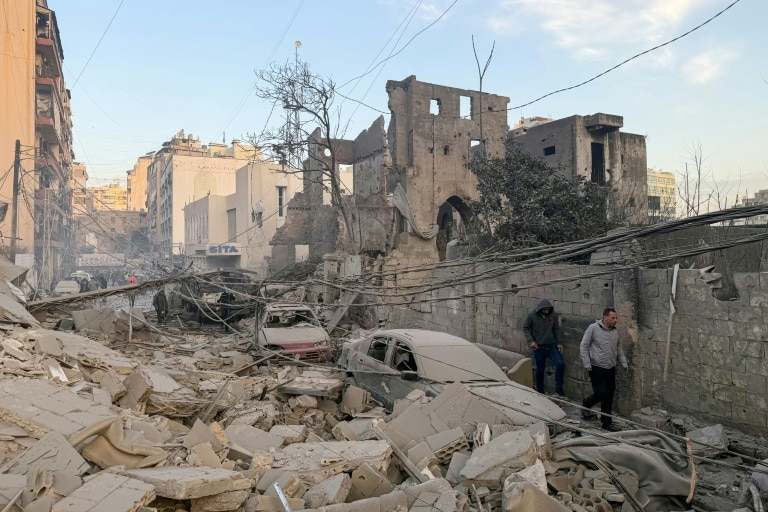
In Lebanon, Israeli airstrikes targeted central Beirut’s Zuqaq al-Blat neighborhood for the second time without prior warning, resulting in at least 12 casualties according to health ministry reports. Southern Lebanon also saw violence as an Israeli strike hit a vehicle in Sidon, near areas where displaced civilians have sought refuge.
Iran prepared for funerals of two slain security officials—Ali Larijani and Basij paramilitary force head Gholamreza Soleimani—as Iranian authorities announced the execution of an individual convicted of espionage for Israeli intelligence services. Iranian Foreign Minister Abbas Araghchi warned that the ‘wave of global repercussions has only begun and will hit all—regardless of wealth, faith, or race.’
Regional tensions expanded as multiple explosions were reported in Erbil, the capital of Iraq’s autonomous Kurdistan region, though specific targets remained unclear. The strategic Strait of Hormuz disruption has forced Iraq to resume limited oil exports of 250,000 barrels daily through Turkey’s Ceyhan port after significant production declines.
Energy markets responded to the turmoil with benchmark US oil contracts falling over 4% to $92.11 per barrel, while stock markets in Asia and Europe showed gains.
Gulf nations reported multiple security incidents with projectiles targeting various locations. Saudi defense systems intercepted ballistic missiles near Prince Sultan Air Base (which hosts US personnel) and drones aimed at Riyadh’s diplomatic quarter. Kuwait and Qatar also reported intercepting rocket and missile attacks respectively.
The human cost continued to mount as Israeli medics confirmed two additional fatalities near Tel Aviv from Iranian missile barrages, bringing the total death toll to 14.
International diplomatic tensions emerged as US President Donald Trump criticized NATO’s approach to Iran as a ‘foolish mistake’ and expressed disappointment with UK Prime Minister Keir Starmer’s response to the crisis, noting that the British leader ‘hasn’t been supportive.’