The Middle East conflict entered a dangerous new phase with significant developments across multiple fronts, escalating regional tensions and global economic concerns.
In a dramatic escalation, Israeli media reported targeting Iranian national security chief Ali Larijani in overnight strikes, though official confirmation remains pending. This comes after Larijani’s recent high-profile appearance at a Tehran rally where he dismissed US-Israeli attacks as acts of desperation following the February strike that eliminated Supreme Leader Khamenei.
Tehran experienced loud explosions throughout the night, with an AFP journalist reporting blasts in the city center amid heavy thunderstorms. Simultaneously, Iran’s Revolutionary Guards announced the arrest of ten foreign spies in Razavi Khorasan province, alleging four were gathering intelligence on sensitive sites while others were linked to monarchist terrorist groups.
The conflict expanded economically as oil prices surged over 5%, with US benchmark West Texas Intermediate reaching $98.32 per barrel. This spike followed several countries resisting former President Trump’s demand for securing the Strait of Hormuz, which Iran has shut down in response to US-Israeli attacks. The critical waterway normally handles one-fifth of global crude oil shipments.
Energy infrastructure faced repeated attacks as a new drone strike hit the Fujairah oil complex on UAE’s east coast, causing fires but no injuries. This facility, which enables exports bypassing the Strait of Hormuz, was previously targeted on Monday.
Regional security deteriorated significantly with multiple missile incidents. Qatar intercepted missile attacks after explosions were heard in Doha, while Dubai residents received emergency alerts warning them to “immediately seek a safe place” due to potential missile threats. In Abu Dhabi, falling shrapnel from an intercepted missile killed a Pakistani national.
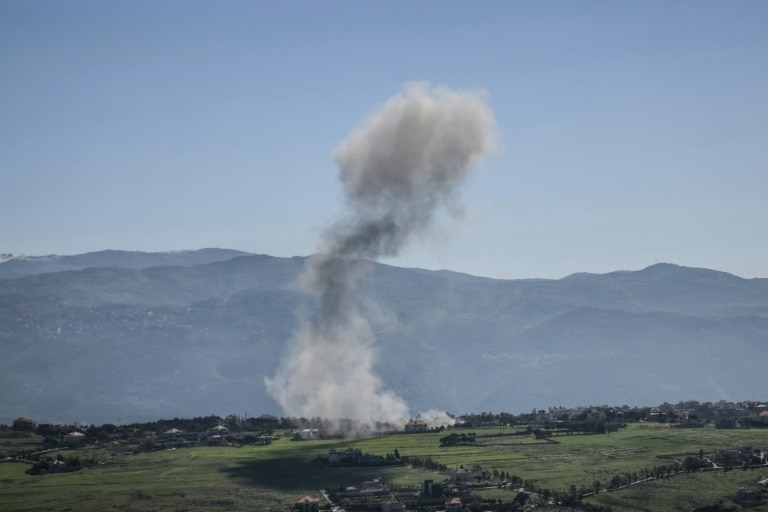
Maritime security was compromised when an “unknown projectile” struck a tanker off Oman’s coast, causing minor structural damage but no injuries. Meanwhile, Israel launched widespread strikes in Tehran and began targeting Hezbollah positions in Beirut, where Lebanese media reported hits on three neighborhoods including residential buildings, wounding an Ethiopian woman.
Iraq became increasingly embroiled in the conflict as a drone and rocket attack targeted the US embassy in Baghdad, with at least one drone crashing inside the compound. Separately, a missile strike on a Baghdad house killed four people, including two alleged Iranian advisors to Tehran-backed groups.
Amid the escalating violence, China announced humanitarian assistance for Iran, Jordan, Lebanon, and Iraq. Foreign Ministry spokesman Lin Jian stated this aid aims to “alleviate the humanitarian plight faced by local populations,” though specific details were not provided.