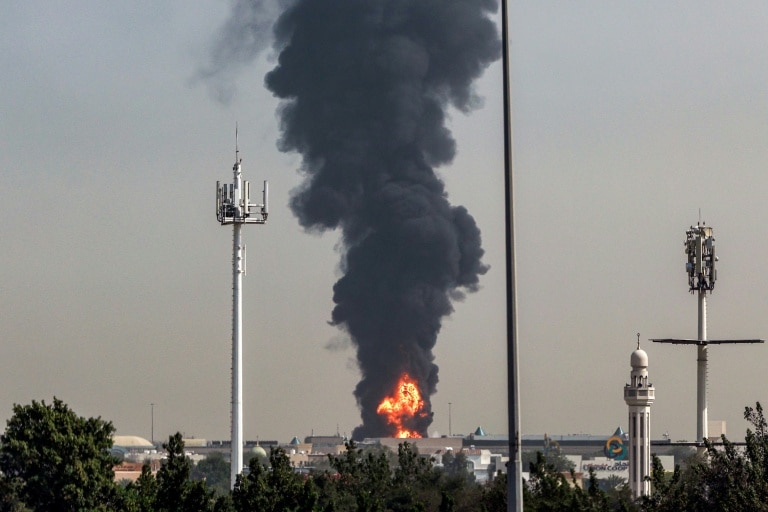
The Middle East conflict escalated dramatically on Monday with a series of significant military and geopolitical developments. Explosions rocked central Tehran as Iranian air defense systems activated, though the specific targets remained unclear. This occurred shortly after Israel confirmed conducting large-scale overnight strikes.
In southern Lebanon, the Israeli Defense Forces initiated what they described as “limited ground operations” against Hezbollah strongholds, aiming to enhance their forward defense perimeter.
The United Arab Emirates faced multiple security incidents. Dubai International Airport gradually resumed operations following a suspension caused by a drone-related fuel tank fire nearby. Simultaneously, the Emirati defense ministry reported intercepting waves of Iranian drones and missiles. Separate attacks targeted the Fujairah oil industry zone and the outskirts of Abu Dhabi, where a Palestinian civilian was killed by a missile strike.
Global energy markets reacted strongly, with Brent Crude oil prices surging 3% to $106.50 per barrel amid the heightened tensions.
Diplomatic efforts intensified as EU foreign ministers considered extending their Red Sea naval mission to the strategically vital Strait of Hormuz. U.S. President Donald Trump pressured NATO allies and China to contribute to securing the oil transport conduit, warning of a “very bad” future for the alliance if they failed to assist. However, both Japan and Australia subsequently ruled out naval deployments to the region.
Despite the escalating conflict, the Iranian men’s football team maintained plans to participate in the upcoming World Cup in North America, according to Asian Football Confederation officials.
Iranian Foreign Minister Abbas Araghchi condemned Israeli strikes on Tehran fuel depots as “ecocide,” citing long-term health risks to residents. While Trump claimed the U.S. was in discussions with Iran, Tehran denied any ongoing talks between the nations.