A recent drone attack on RAF Akrotiri, a British military installation in Cyprus, has intensified longstanding tensions regarding the United Kingdom’s continued military presence on the Mediterranean island. The assault, which damaged a hangar facility one week ago, has sparked divergent interpretations among stakeholders.
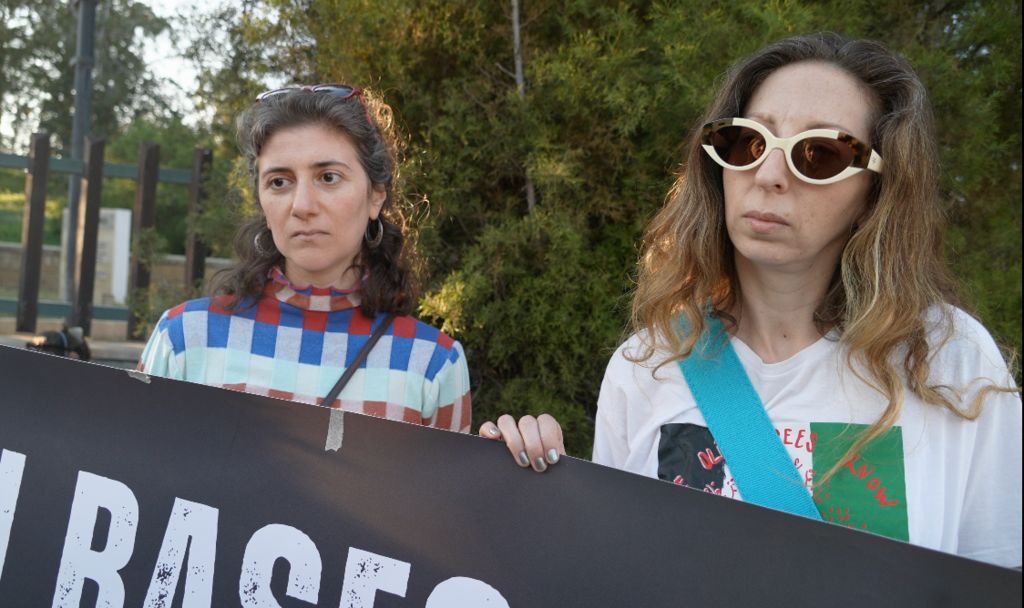
For British defense analysts, the successful penetration of base defenses highlights concerning vulnerabilities in UK military capabilities. For many Cypriot citizens, however, the incident represents another dangerous consequence of foreign military occupation. Approximately 200-300 protesters gathered outside the presidential palace in Nicosia, brandishing banners demanding the removal of British bases from Cypriot territory.
Local business owner Natasha Theodotou articulated the sentiment of many demonstrators: ‘We seek an independent Cyprus. Just as we experience occupation by Turkish forces, we remain occupied by the UK.’ Theodotou’s comments reference the island’s complex geopolitical situation, where Turkey controls the northern third since its 1974 invasion, while Britain maintains two sovereign base areas covering 98 square miles under a 1960 independence treaty.
British military intelligence assesses that Hezbollah, the Iranian-backed militia, launched the drone from Lebanese territory. While UK officials deny that Akrotiri serves as a launch point for American offensive strikes against Iranian targets, the base’s reported use by U.S. U-2 surveillance aircraft potentially explains why it became a target for Iranian proxies seeking retaliation against U.S.-Israeli operations.
The demonstration incorporated multiple geopolitical concerns, with participants expressing solidarity with Palestine and criticism of U.S. and Israeli policies. Chants of ‘Say it loud, say it clear, British bases out of here’ echoed through Nicosia’s streets, which remain divided by a UN-patrolled buffer zone—often called the world’s last partitioned capital.
Protesters emphasized security concerns, with participant Shona Muir stating, ‘Their presence alone here makes us more of a target.’ This contrasts sharply with the UK Ministry of Defence’s position that the bases ‘play a crucial role in supporting the safety of British citizens and our allies,’ noting recent operations where British jets intercepted Iranian drones from the location.
The Cypriot government has carefully distinguished between the attacked UK facility and Cypriot sovereignty, while Foreign Minister Constantinos Kombos acknowledged the base issue requires ‘careful reflection’ following recent events. Demonstrators meanwhile demand greater transparency regarding base activities, with Stephanos Stavros emphasizing that the foundational treaty must be complied with through ‘full transparency.’
Any potential renegotiation of the base agreements would involve extraordinarily complex diplomatic negotiations between the UK, Greece, Turkey, and both Greek and Turkish Cypriot communities, making immediate resolution unlikely despite growing local opposition.