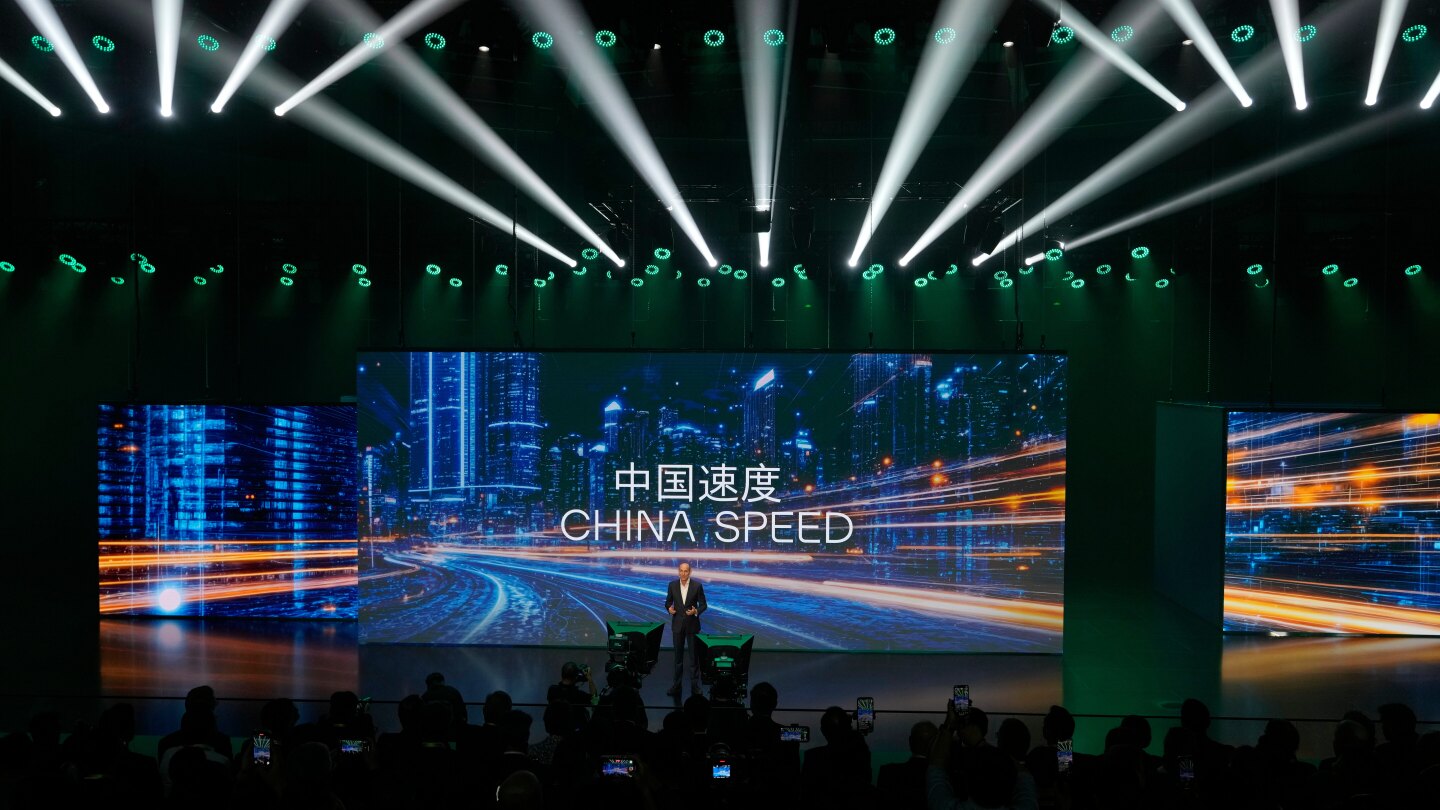
In a strategic pivot signaling the end of an era for foreign automakers in China, Volkswagen AG has deployed €3 billion ($3.5 billion) to establish its largest overseas research and development hub in Hefei, China. This monumental investment represents a fundamental departure from decades of conventional practice where international manufacturers imported overseas-developed vehicles and shared technology with local partners.
The German automaker, which once commanded over 50% of the Chinese automotive market, now confronts fierce competition from domestic manufacturers like BYD and Geely that have dramatically eroded foreign brands’ market share. Volkswagen’s new strategy centers on developing vehicles specifically engineered for Chinese consumers—models that may never appear on European roads but could potentially expand to Middle Eastern and Southeast Asian markets.
This paradigm shift, initiated in 2022, responds to China’s dramatic transformation into the world’s most competitive auto market, where electric vehicles constitute approximately half of new car sales. Chinese consumers now expect cutting-edge digital features, from expansive touchscreen interfaces to advanced autonomous driving capabilities—expectations that rendered Volkswagen’s traditional offerings increasingly obsolete in a market representing nearly one-third of its global sales.
The critical question remains whether this massive investment can generate profitability in a hypercompetitive environment that has driven prices to near-bankruptcy levels. According to industry analysts, Volkswagen’s strategy may merely stabilize current market share rather than recapture lost dominance. The company’s Audi division has already pioneered this approach with its new AUDI brand, while Volkswagen prepares to launch China-developed models by 2026.
China’s accelerated development cycle—12-18 months for new vehicles compared to the traditional 3-5 years for global automakers—has compelled Volkswagen to decentralize decision-making power to its Chinese operations. This move toward localized autonomy mirrors similar strategies adopted by competitors like Toyota, as foreign manufacturers increasingly recognize China not merely as a manufacturing base but as a source of innovation and technological advancement.
Volkswagen’s collaboration with electric vehicle maker Xpeng exemplifies this new approach, focusing on rapid market entry and developing sophisticated electronic architecture systems. A recent German Chamber of Commerce survey in North China revealed that approximately half of responding companies anticipate Chinese competitors becoming innovation leaders within five years, with 9% believing they already hold that position.