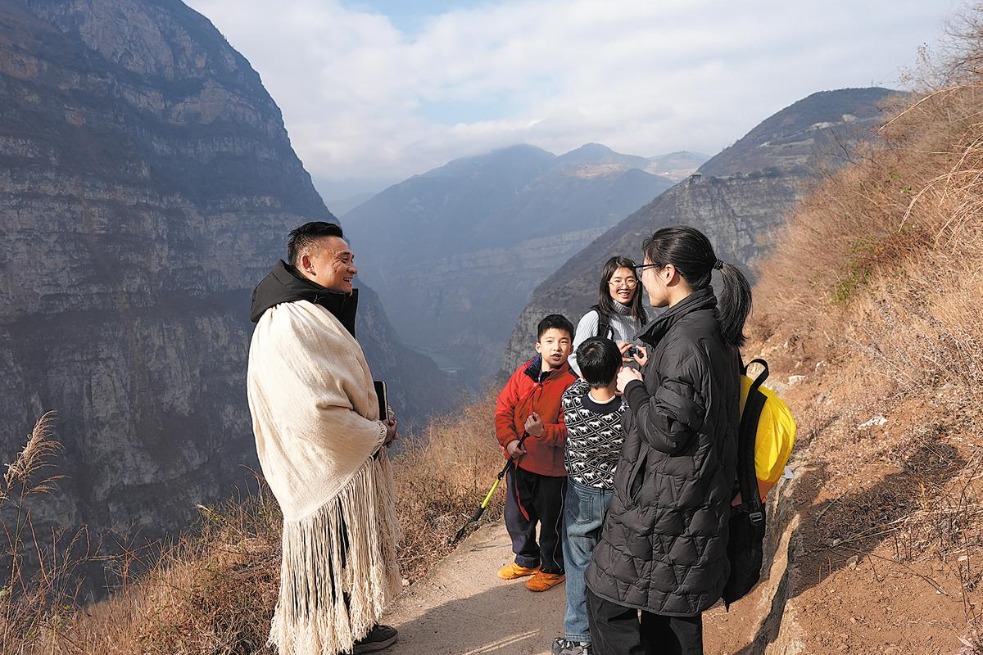
As China’s pivotal Two Sessions convene in Beijing, grassroots representatives from diverse regions are transforming local aspirations into national policy frameworks. Among them, Zheng Wangchun, Party secretary of Gulu village in Sichuan province, exemplifies how community-driven initiatives are gaining legislative traction.
Gulu village’s remarkable transformation from an isolated cliffside settlement—once accessible only by precarious vine ladders—to a thriving tourist destination demonstrates the tangible impact of rural revitalization policies. Zheng’s strategic use of social media documentation showcasing the village’s dramatic mountain trails catalyzed its viral recognition, creating unprecedented economic opportunities.
Rather than relying on transient internet fame, Zheng has implemented sustainable development models including homestay operations, scenic viewpoint development, and agricultural specialization in local produce like walnuts and peppers. His current legislative focus addresses practical infrastructure needs, support systems for vulnerable demographics, and long-term rural development strategies.
The National People’s Congress deputy represents a new generation of policymakers who bridge grassroots realities with national governance. His approach combines digital innovation with traditional community engagement, conducting firsthand visits to assess local business development and ensure policy proposals reflect genuine community needs.
This bottom-up governance model characterizes China’s contemporary political advisory system, where practical field experience informs national policy formulation. The ongoing Two Sessions provide institutional channels for transforming localized success stories into scalable national strategies, particularly in rural revitalization and balanced regional development.