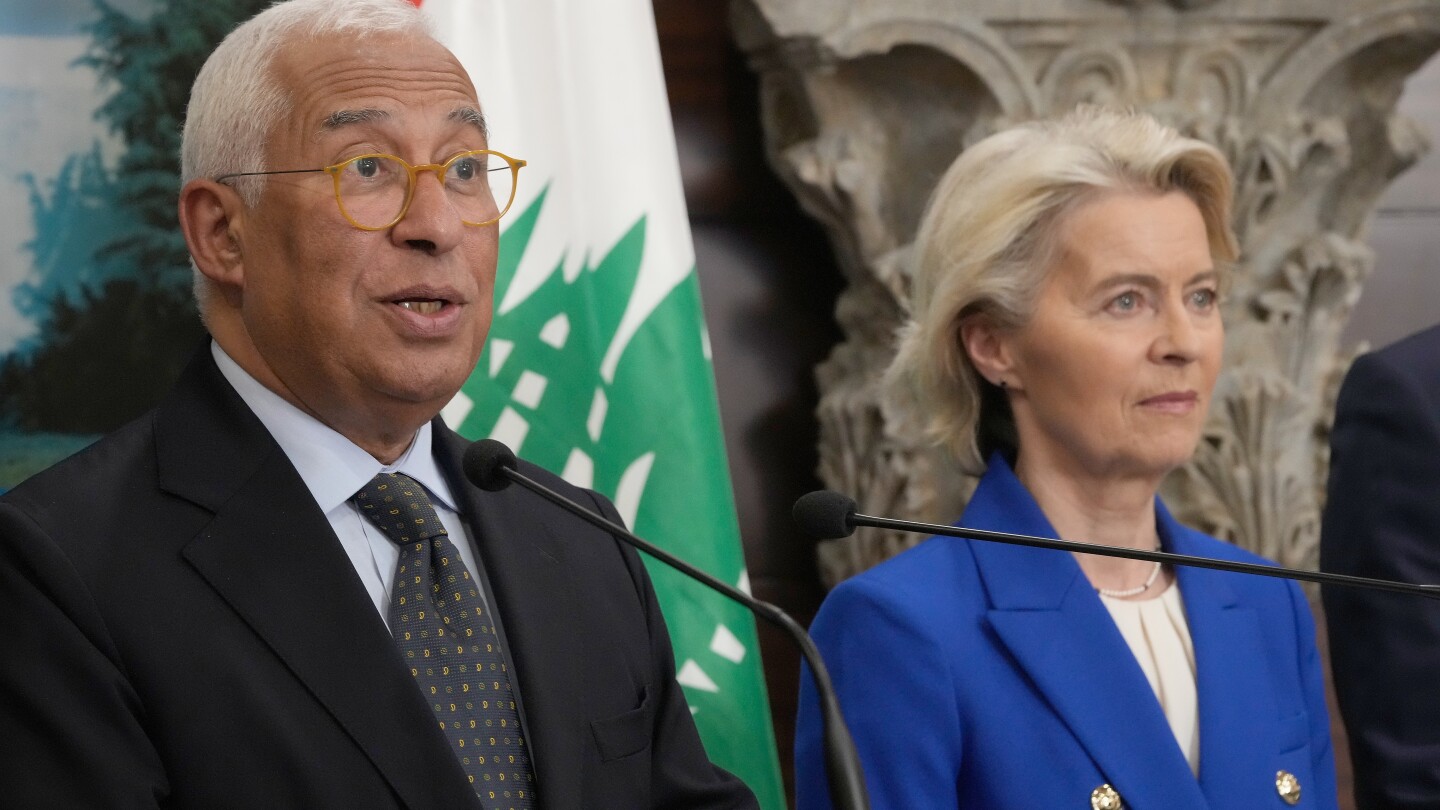
In a landmark diplomatic engagement, high-ranking European Union officials conducted an unprecedented visit to Damascus on Friday, signaling a profound shift in Syria’s international relations. European Commission President Ursula von der Leyen and European Council President António Costa held substantive talks with Syrian Interim President Ahmad al-Sharaa, discussing post-conflict recovery strategies nearly two years after the conclusion of Syria’s devastating civil war.
The fourteen-year conflict reached its conclusion in December 2024 when rebel forces led by al-Sharaa successfully ousted former President Bashar Assad, whose regime had faced extensive international condemnation for systematic human rights violations. The new administration has since embarked on a remarkably successful diplomatic campaign, restoring ties with numerous Western and Arab nations that had previously isolated Assad’s government.
During the historic meeting, President Costa announced the European Union’s commitment to provide €620 million (approximately $723 million) in comprehensive financial support scheduled for 2026-2027. This assistance package combines immediate humanitarian relief with substantial reconstruction funding—previously obstructed by international sanctions during Assad’s tenure that have now been lifted.
President von der Leyen characterized the development as Syria’s ‘journey toward hope and renewal’ in a social media statement, affirming Europe’s commitment to supporting national recovery efforts. Despite these diplomatic advances, significant challenges persist within Syria, including economic instability, sporadic sectarian violence, and ongoing consolidation efforts by al-Sharaa’s government.
Recent days have witnessed renewed hostilities between government forces and Kurdish fighters in Aleppo, complicating negotiations regarding the integration of Kurdish-led Syrian Democratic Forces into the national military structure. Although Syria’s Defense Ministry announced a ceasefire arrangement on Friday, Kurdish forces had not publicly acknowledged the agreement at the time of reporting.
President Costa acknowledged these security concerns during the visit, describing recent violent escalations as ‘worrisome’ while emphasizing the necessity of continued dialogue. He recognized that the path to comprehensive reconciliation and recovery remains ‘difficult and long,’ requiring sustained international engagement.
The EU delegation subsequently traveled to Lebanon, where officials welcomed the Lebanese army’s progress in implementing weapon disarmament plans for non-state groups, including the powerful Hezbollah militia. Von der Leyen specifically endorsed disarmament efforts south of the Litani River and called for full compliance with the November 2024 ceasefire agreement that ended recent Israel-Hezbollah hostilities. She emphasized the fundamental importance of Lebanon’s territorial integrity and the complete disarmament of Hezbollah, even as Israel continues airstrikes targeting what it identifies as Hezbollah’s rearmament attempts.